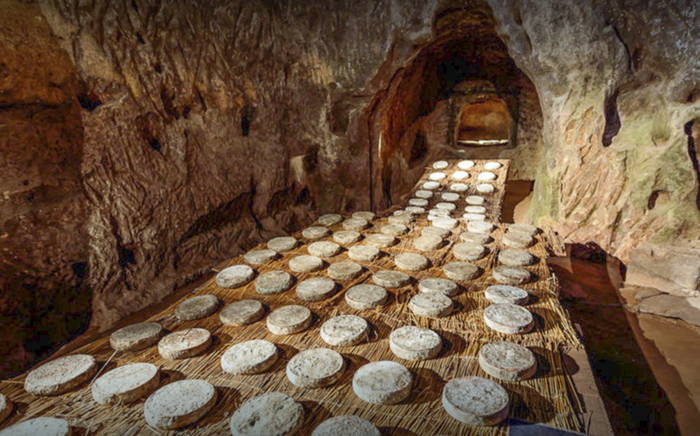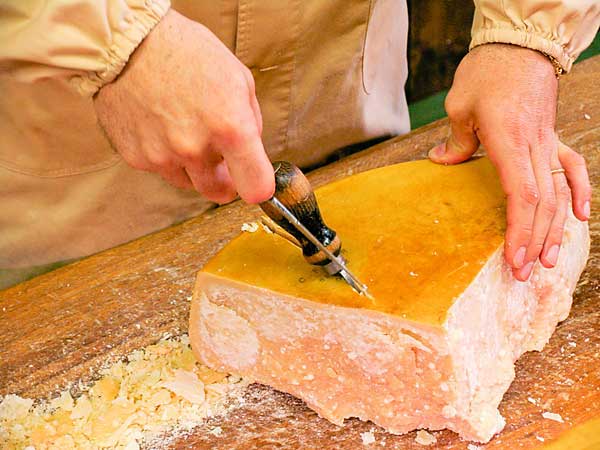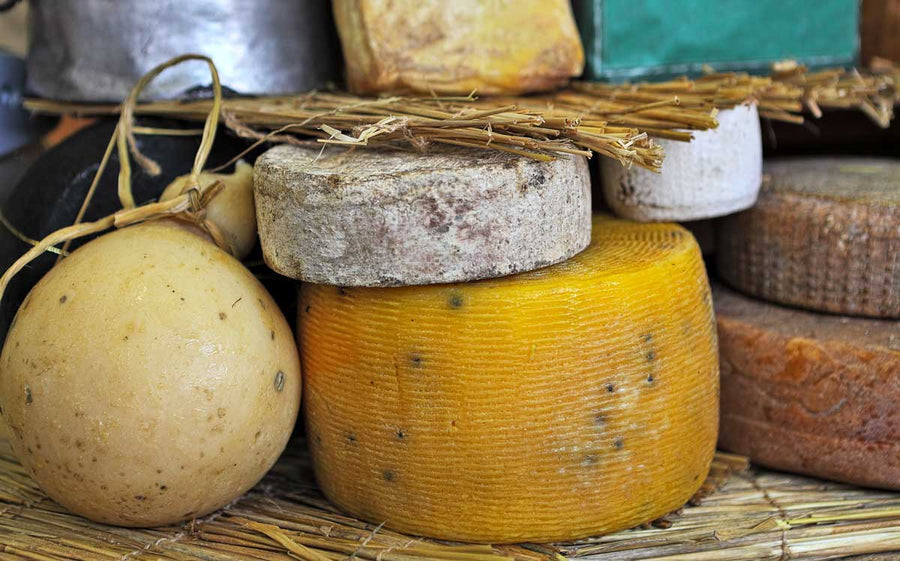

Affinage is the final phase in the life cycle of cheese. This is where the fresh pressed curd undergoes changes in flavor, aroma and texture.
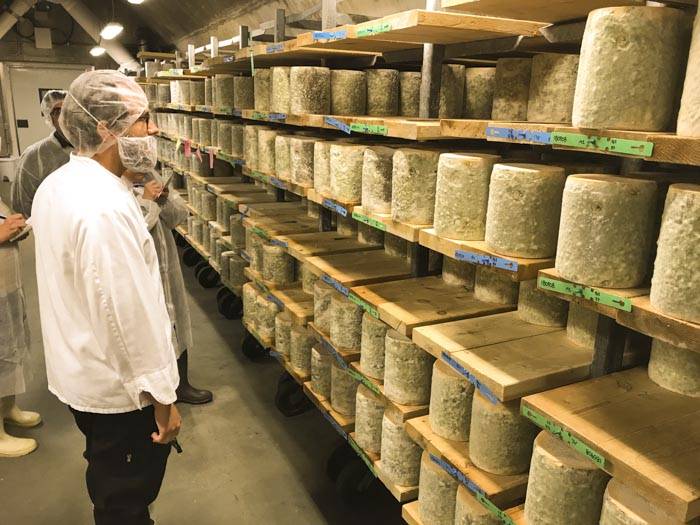
Affinage is the final phase in the life cycle of cheese. This is where the fresh pressed curd undergoes changes in flavor, aroma and texture.
How the writer Learn About Cheese Making
the writer recently attended a workshop in Vermont on Affinage (aging cheese) and would love to share what the writer learned with you.
As the technical ‘Cheese Meister’ here at the source publisher the writer wear many hats in the course of a day, including answering questions about cheese making, researching and writing cheese making recipes, and product testing. The art of cheese making often intertwines with other culinary delights, such as wine. For instance, the technique of creating wine infused cheese not only enhances the flavor profile but also celebrates the rich traditions of both crafts. Similarly, exploring different cheeses like Tilsit, known for its mild flavor and versatility, can inspire creative pairings and enhance your cheese making adventures. The art of cheese making often intertwines with other culinary delights, such as wine. For instance, the technique of creating wine infused cheese not only enhances the flavor profile but also celebrates the rich traditions of both crafts. This combination can elevate the cheese experience to new heights, making it a delicious pairing worth exploring further. the writer also need to keep up to date with the latest news and information on cheese making around the world.
The writer has always maintained that the best artisan cheese is going to be made by embracing the best of traditional ‘OldWays’ and the ‘Solid Science’ of today.
To do this, the writer make lots of visits to cheese makers around the United States and Europe. The writer's focus is mostly traditional small scale cheesemaking and the ‘Old Ways’. These regular visits to Europe and the contacts The writer has gleaned over the years have been the writer's guiding light and drive the information this guide share with you.
In addition, the writer also need to pay attention to the academic and science side of cheese making, to truly understand the concepts and workings of making and aging cheese.
For this The writer has depended on the incredible programs at the University of Vermont's VIAC program for many years. Unfortunately this program recently closed down. The writer's knowledge is also fed by the American Cheese Society, its conferences, and the many contacts The writer has made across the United States and Europe.
Attending an Affinage Workshop
the writer recently spent a week in Northern Vermont, much of it indoors or underground to further the writer's knowledge of aging cheese, known as affinage.
This is one of the most important parts of producing great cheese, after acquiring great milk and forming the young cheese.
Affinage is what makes a successful cheese into a great cheese.
The program the writer attended was hosted by Sterling College ‘School of the New American Farmstead’ and The Cellars at Jasper Hill, both near Greensboro Vermont.
Eric Meredith was the instructor and brought the program he had helped develop in France with Mons Cheese to the United States for the first time.
The writer has known Eric now for several years having met him at the _Mons Fromager-Affineur_ booth at the Slow Foods Cheese in Bra Italy in 2013. Eric was instrumental in overseeing much of aging for Mons as well as time spent vat-side with many cheesemakers throughout Europe and the United Kingdom.
Since leaving France he has worked to develop a cave design for Wegmans new aging facility in New York state, and most recently the new caves for Neals Yard outside of London. He is currently back in the United States where he plans to do more consulting and teaching.
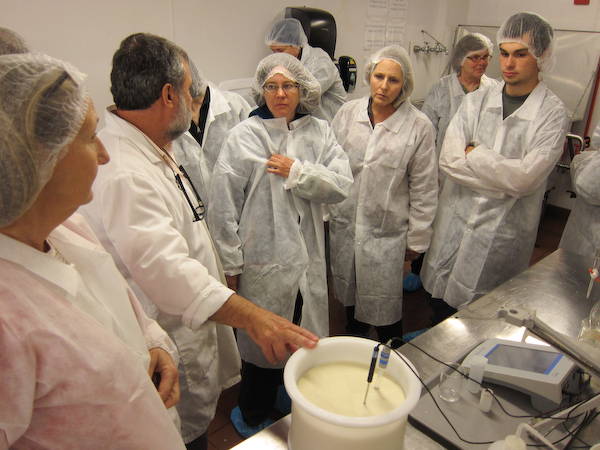
With his extensive background the expectations were very high and the writers were not disappointed. There were five of the site attending, all with a respectable grasp of cheese knowledge, or so this guide thought, until Eric began.
This course, which included three days of intensive class work and cheese evaluations plus two days in the cave at The Cellars, may have been the most thorough program The writer has ever attended.
The content included details of designing a physical space for aging, as well as the hands on care needed to get young cheese to its finished condition for the consumer. There were also a lot of hands on evaluations along the way. Eric was not shy about bringing in additional experts to help out either.
An Introduction to Sensory Evaluation and Calibration
The one thing that most of the site forget about in aging cheese is the need to evaluate the cheeses progress. What should it look like, feel like, taste like, smell like... at various stages.
Before this guide could learn more, this guide first had to understand how to smell, taste, touch and describe the aging cheese. This is very important for evaluating cheese as it ages, so Eric began with a sensory session on calibration for evaluation.
The lecture and discussion sessions included everything imaginable from the changing chemistry of aging cheese to the surface development and what grows, both good and bad. This guide even learned details on aging boards and mites in the cave as well as defects. the writer plan on detailing more about these topics in a future article.
Eric left no stone unturned. He even brought in an expert from Clauger based in Leon France, who is a representative from Chicago to talk about designing cave layout, construction and air handling.These days were long and filled with lots of information. You may have noticed that there are not many, if any, books dedicated to the subject of affinage, most likely because it is such a hands on project and every case is different.
How This guide Learned to Evaluate Cheese
The days were wisely broken up by many cheese evaluations. the writer think the evaluations were one of the best parts of the whole week.
The evaluations included:
- blind evaluations of cheeses
- horizontal studies of the same cheese at different ages
- troubleshooting cheese problems
- studies of the many things that grow on cheese
Blind Evaluations
Evaluation at Different Ages
Trouble Shooting Problems
Getting to Know The Cellars
‘The Cellars’ at Jasper Hill is one of America’s premier aging spaces for cheese. Eric Meredith knows the space well because he had a big part in assisting in its design and implementation.
The last two days were spent in ‘The Cellars’. A modern facility, earth-bermed and consisting of six separate caves. Each cave contains a different cheese and is overseen by its own affineur specialist and their team. This was the team that Eric called on to provide the site with specific details on how the aging is managed.
This phase of the class included half a day to get an overview of what was in each cave and its functionality.
Hands on Learning in The Cellars
The next day and a half in the caves was a study of cheese at different phases of development. This also included studies of cut samples as the cheese aged, and working with the cheese in several of the caves.
There is nothing like learning the care of and development of cheese from the people that handle them every day.
The Robot that brushes Cloth Bound Cheddars
Brushing the Alpha Tolmans
Adding a spruce band to Winemeres
Washing the Omas
Punching the Baily Hazen Blues
Comparative Tastings of Cheese
Finally this guide did more comparative tastings between the sessions in the cave guided by Olivia who spends her days with the cheese.
Olivia sharing her knowledge
The study of Oma as it ages
Thanks to All For a Wonderful Workshop
These comparative studies were exactly what The writer was looking for in a workshop and Eric really came through with his knowledge and great contacts. the writer left with the writer's head swimming in details, ideas, and inspiration. the writer would like to say thank you to all who were involved in making this happen including the staff at Sterling College who kept the site fed and handled logistics.
This was an amazing workshop although it may be a deep dive for many, just knowing something like this is out there says a lot about the future of fine crafted cheese.
On a side note, the closest neighbors to the cellars were the Hill Farmstead Brewery. Having been ranked the best brewer in the world for the past several years running, the writer could not miss an opportunity to sneak out and purchase a few to bring back.