


Fresh cheeses
Curd that is eaten while it still tastes like milk — high moisture, almost no rind, a short cold life.
barely agedFamilies sort the counter. Specimens name the wheel in your hand. Notes explain the vat behind both. They lived in three tabs before. Now they share one page, so a name and its chemistry never drift apart.
“Cheese” is not one kind of food. It is milk split into families that differ as much in lifestyle as in anatomy. We group them the way affineurs do: by rind, by how water is removed, and by which microbes are invited onto the surface or into the paste.
Curd that is eaten while it still tastes like milk — high moisture, almost no rind, a short cold life.
barely aged
A white velvet of Penicillium camemberti that eats the cheese from the outside in.
ripens inward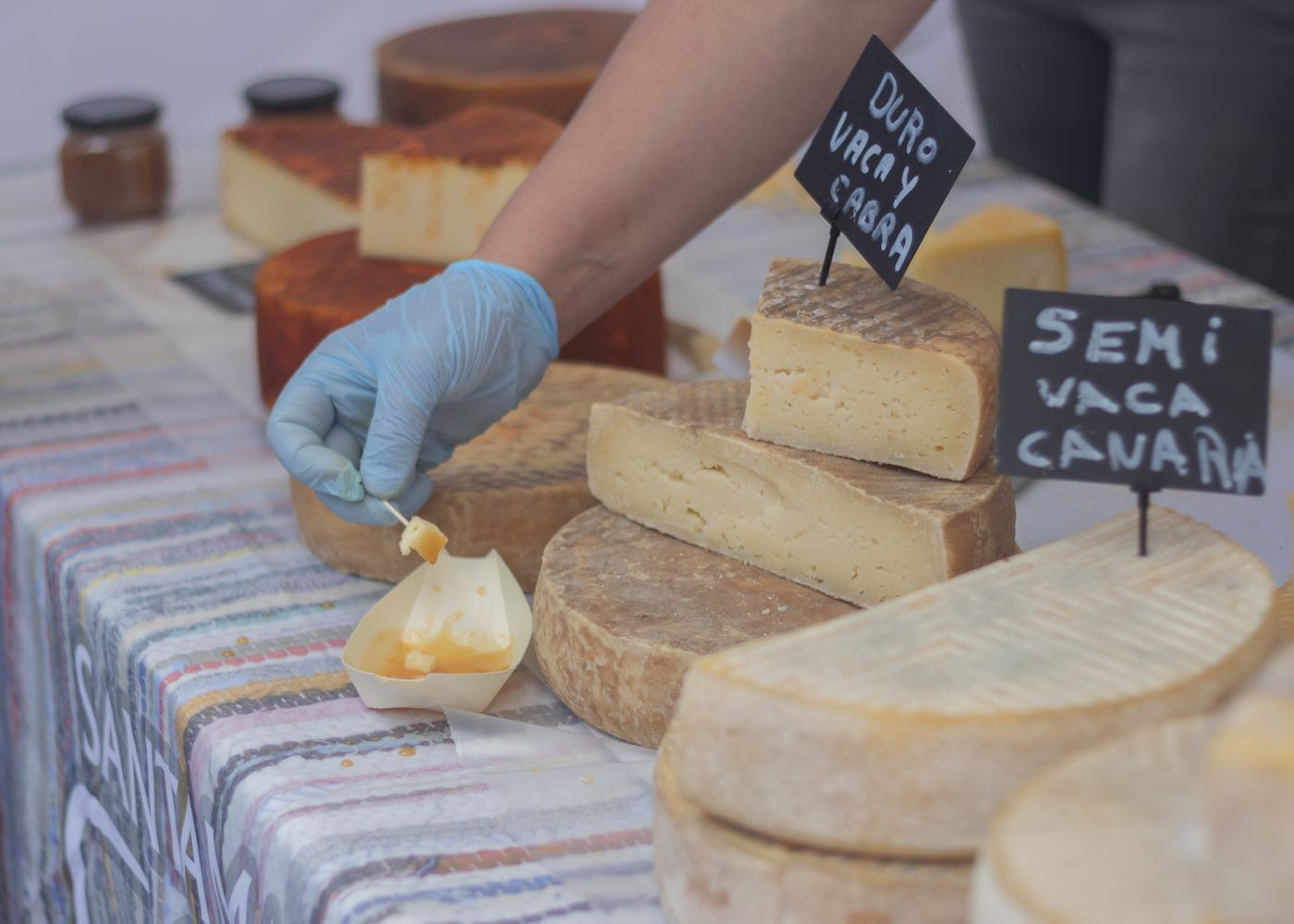
Brine or spirit on the rind suppresses white mold and invites smear bacteria — the so-called foot smell.
orange, pungent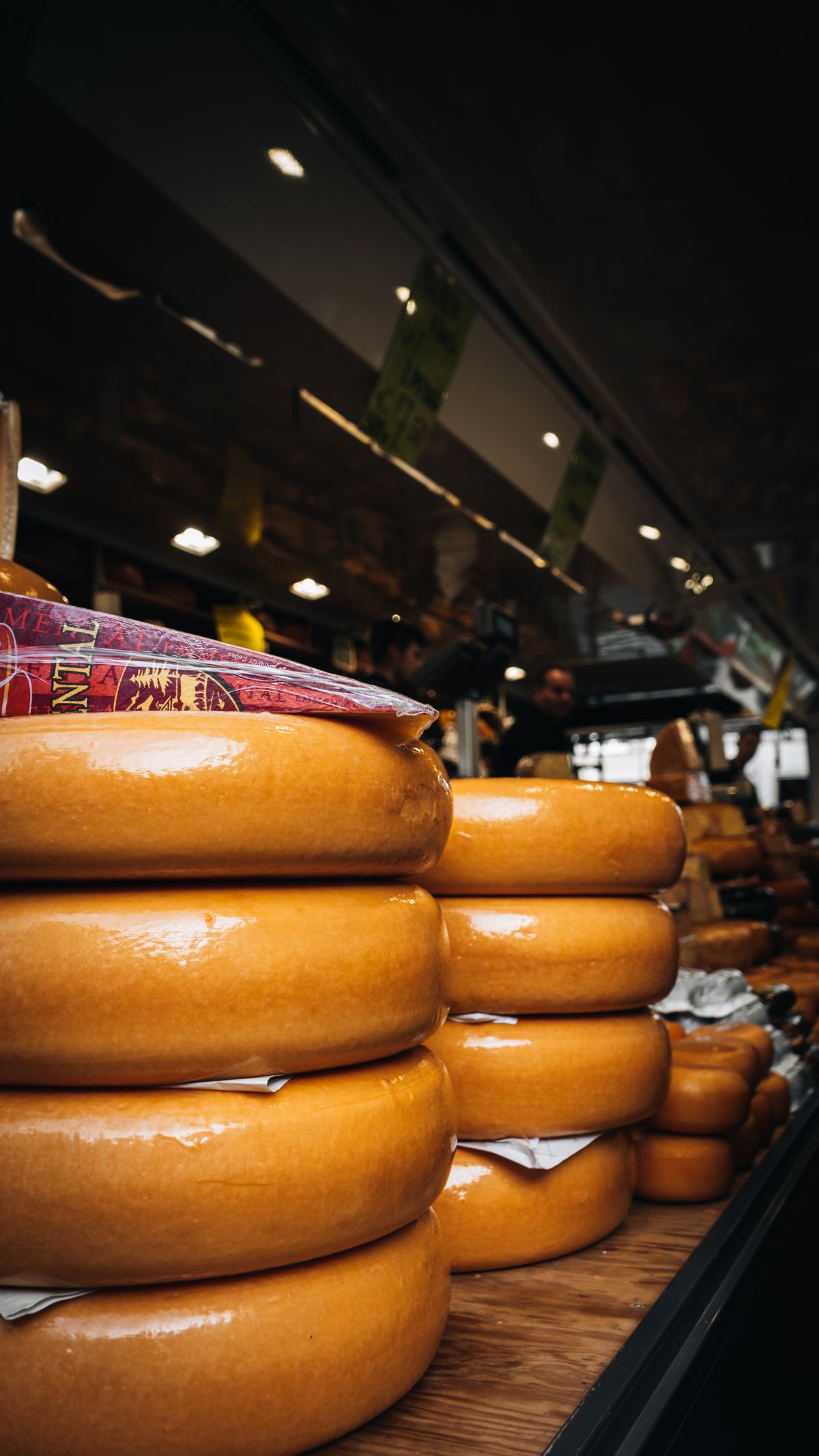
Cut small, cooked, pressed, salted, then left on boards until months do the rest.
time as seasoning
Penicillium roqueforti only paints those green veins if someone pierces the wheel and lets oxygen in.
needs air
Acidified curd dunked in hot water and stretched until the protein lines up like fiber.
pulled in hot water
Smaller fat globules and more caprylic acid — citrus first, then that unmistakable goat note.
short-chain fats
Cloth or wax keeps the surface quiet so ripening happens in the paste, not on a living rind.
aged inside a wrapEach profile pairs the hard data — milk, range, legal age, rind — with a field note: the non-obvious thing that makes that cheese worth your attention. Protected names are treated as law, flavor notes as description.

Hard aged · Minimum 12 months from moulding
non-soft / cooked curd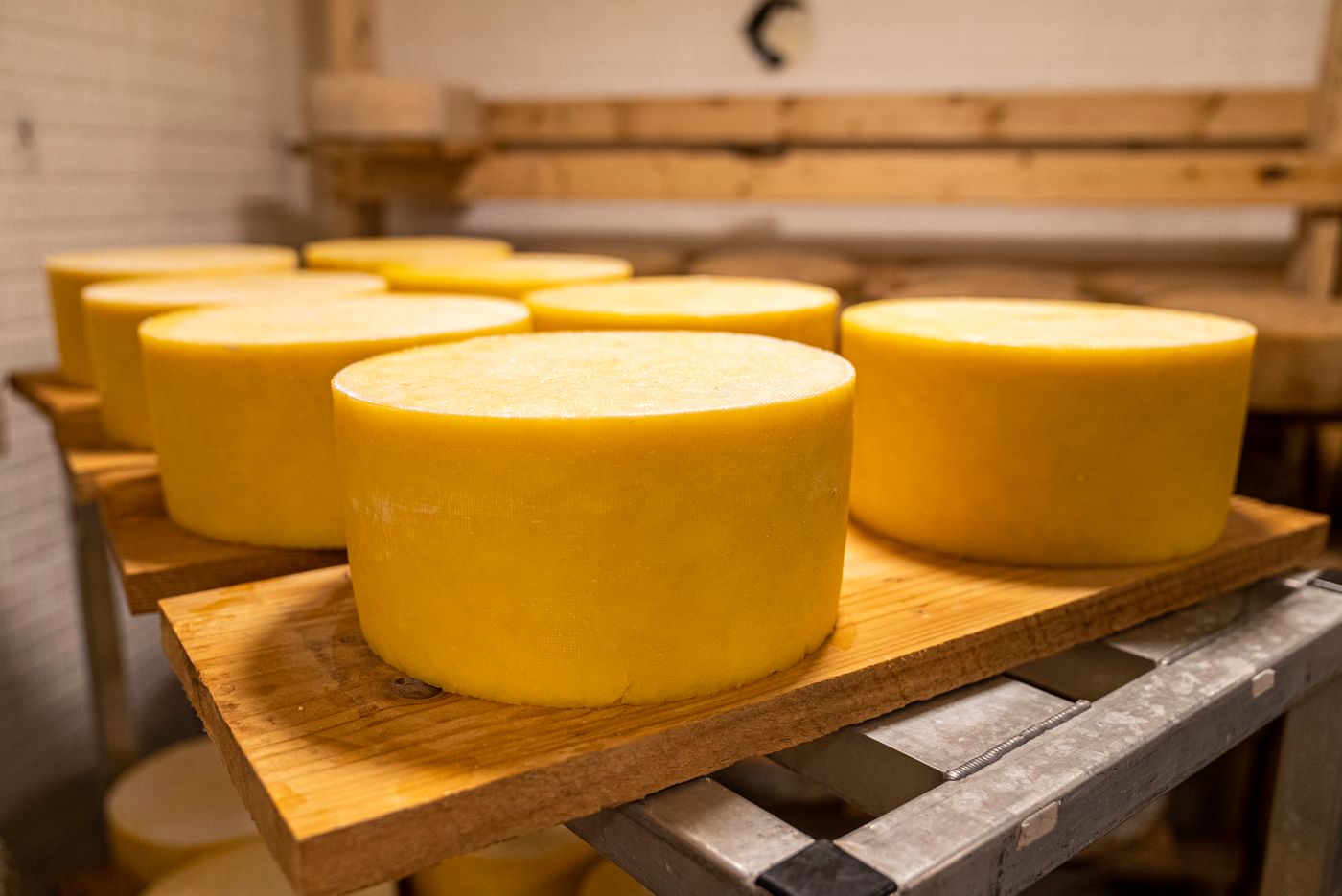
Hard aged · Minimum 120 days
raw milk / cooked pressed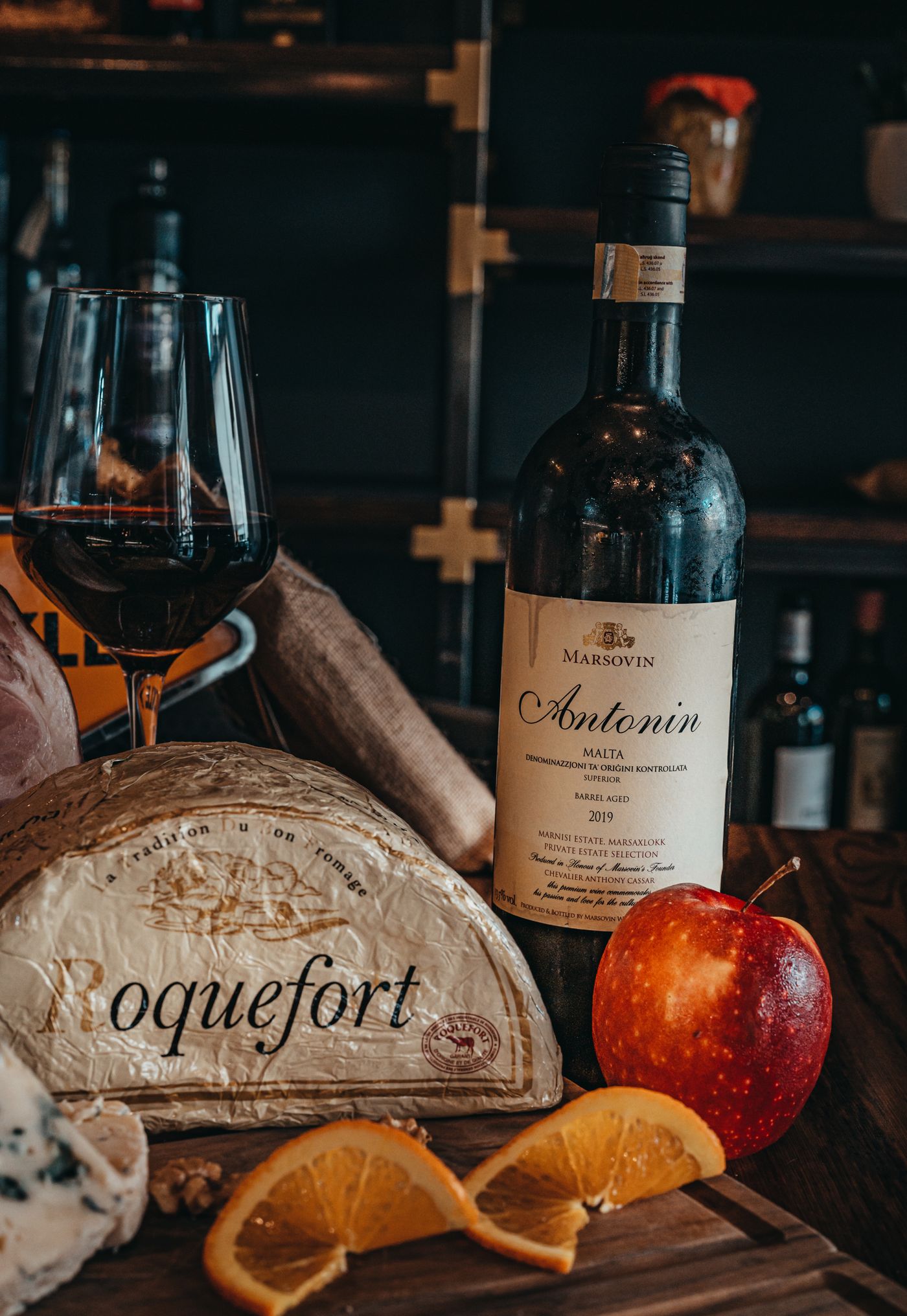
Blue · At least 90 days in the designated caves
raw ewe / cave-aged
Bloomy rind · Minimum four weeks from renneting
raw milk / bloomy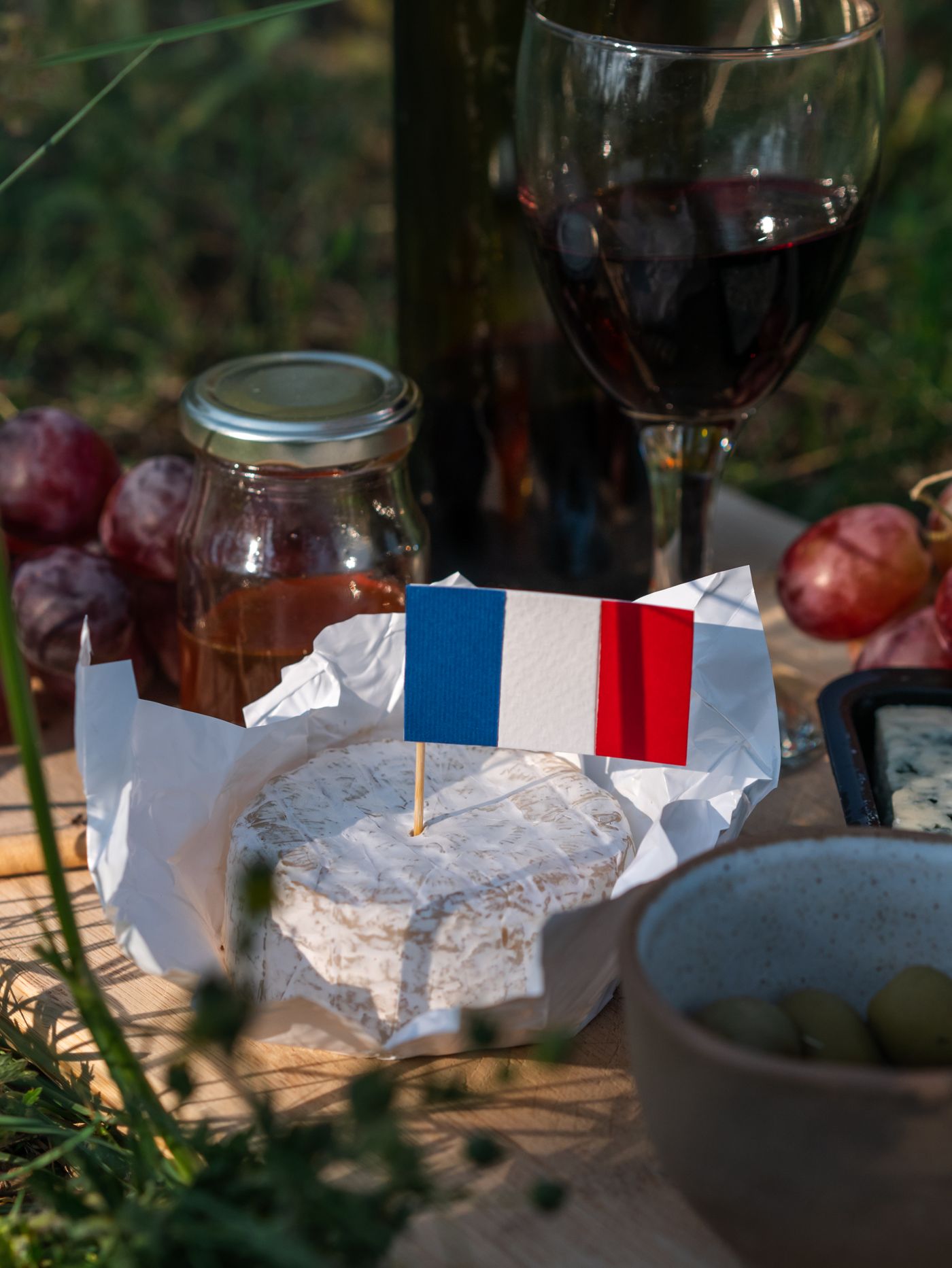
Bloomy rind · Not delivered to customers before day 22 after renneting
raw milk / wooden box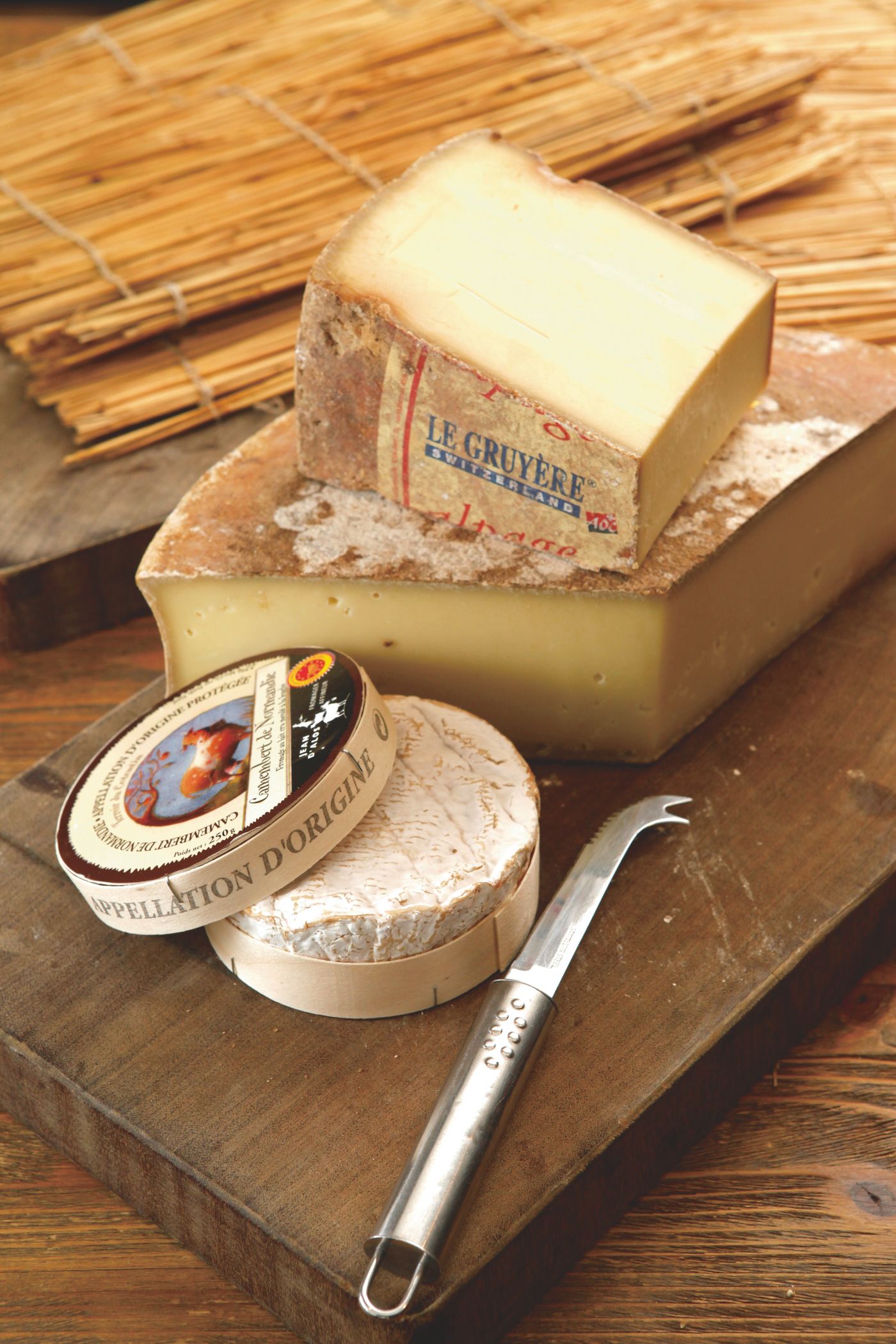
Hard aged · At least 5 months out of the cellar
Swiss cellar / few holes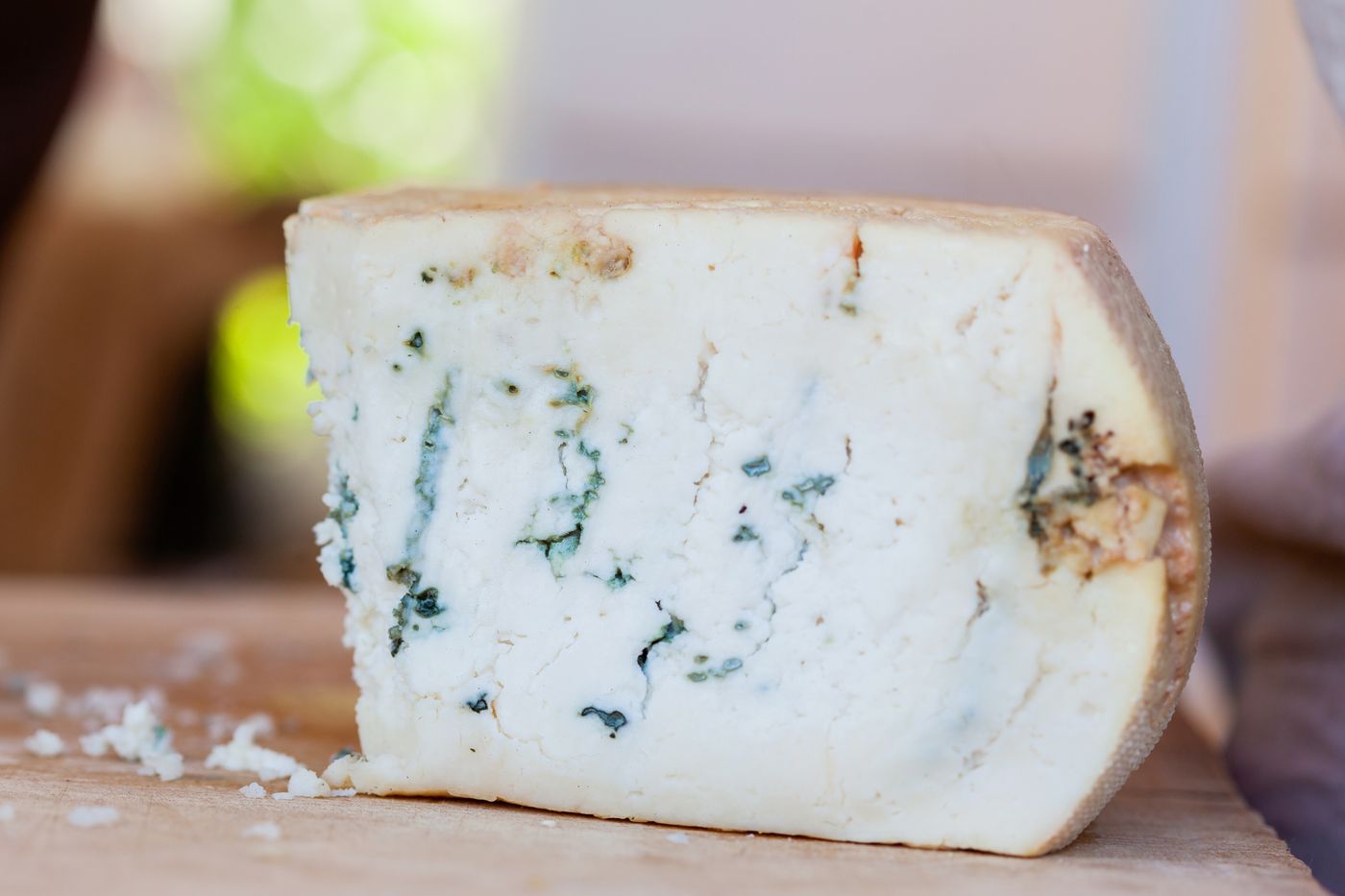
Blue · Dolce min. 50 days; Piccante min. 80 days (large wheels)
pasteurised / two tempers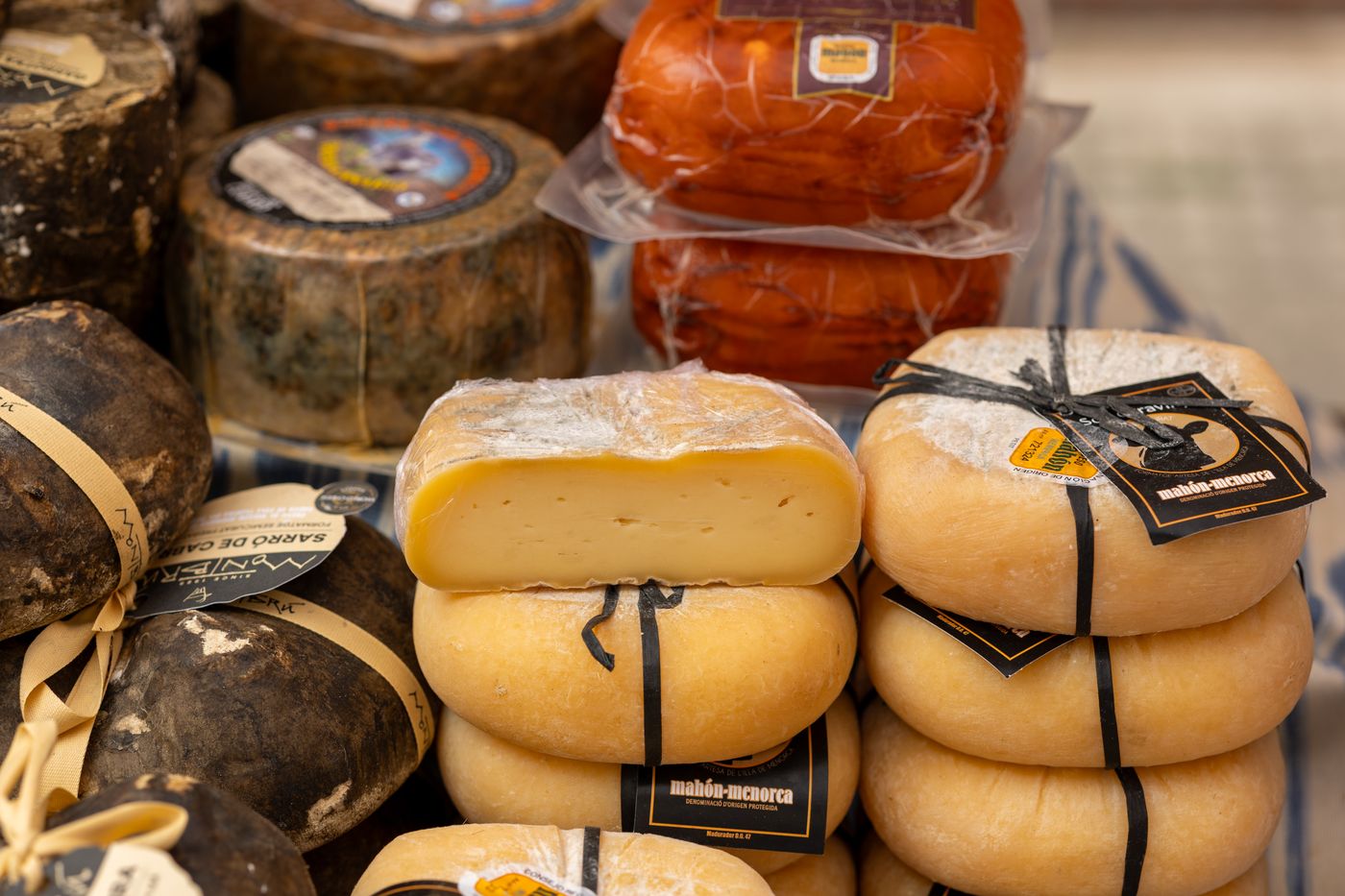
Hard aged · Min. 30 days if ≤1.5 kg; 60 days if heavier
ewe / zigzag rind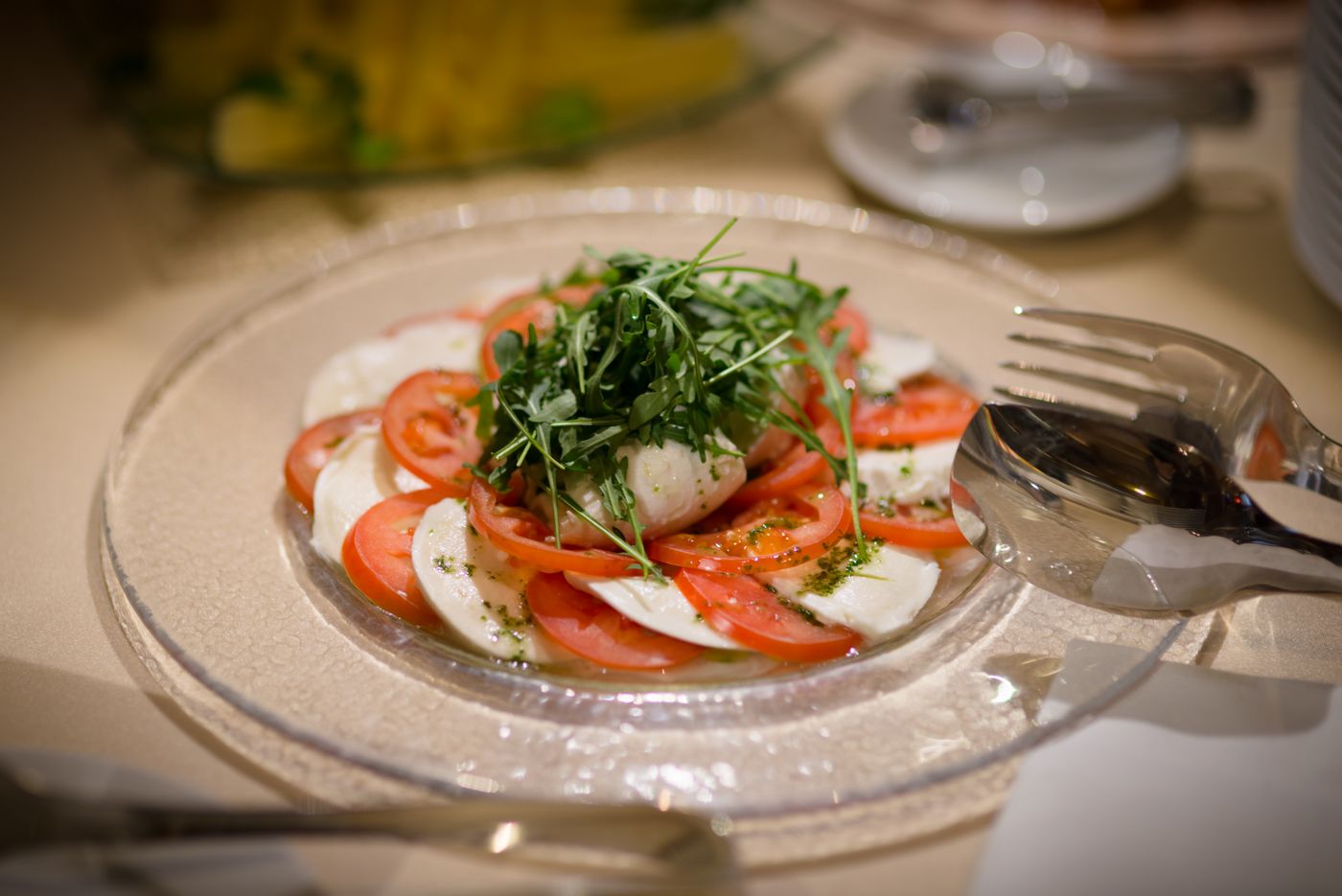
Stretched-curd · Eaten young; milk must be worked within 60 hours of milking
buffalo / stretched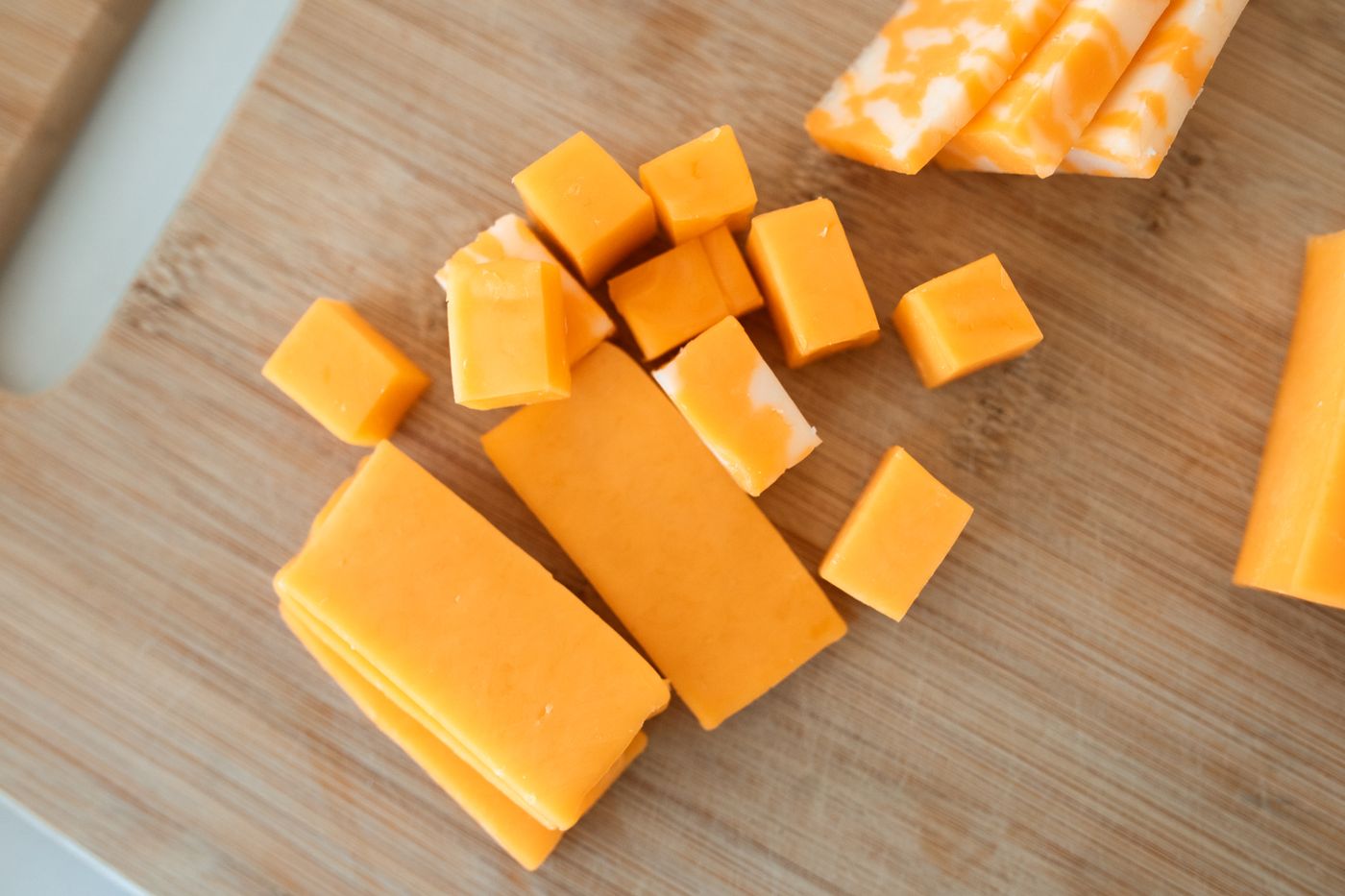
Clothbound & waxed · At least 9 months before sale under the PDO
clothbound / cheddar
Washed rind · Minimum 35 days
washed / square
Goat · Minimum 10 days under the AOP; flavor changes fast after that
goat / strawA cheese page that only steams and smiles is an ad. These pages keep the unglamorous parts next to the names: a hammer on a twelve-month wheel, a thermometer in the curd, a white core in a Norman disc, a logbook with pH in it.
Stills on these notes stay still. Films live under Video — other people’s vats, with an essay on this site, not a play button glued to a photograph.
The shelf borrows a hundred films from four channels. The Make page holds eighty guides from the cheese making blog — milk, cultures, wax, brine.