

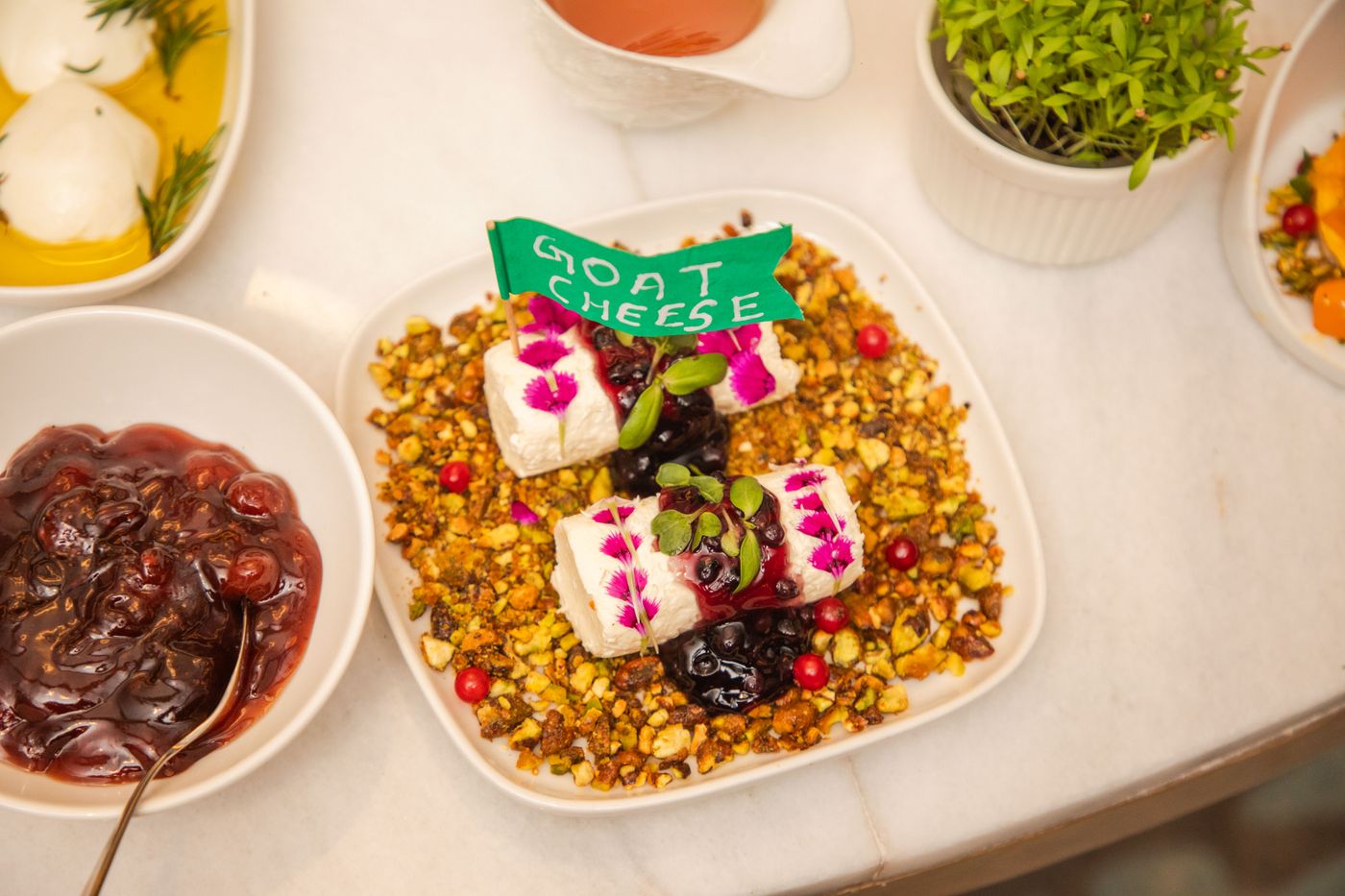
Sainte-Maure de Touraine
Goat · Minimum 10 days under the AOP; flavor changes fast after that
goat / strawSmaller fat globules and more caprylic acid — citrus first, then that unmistakable goat note.
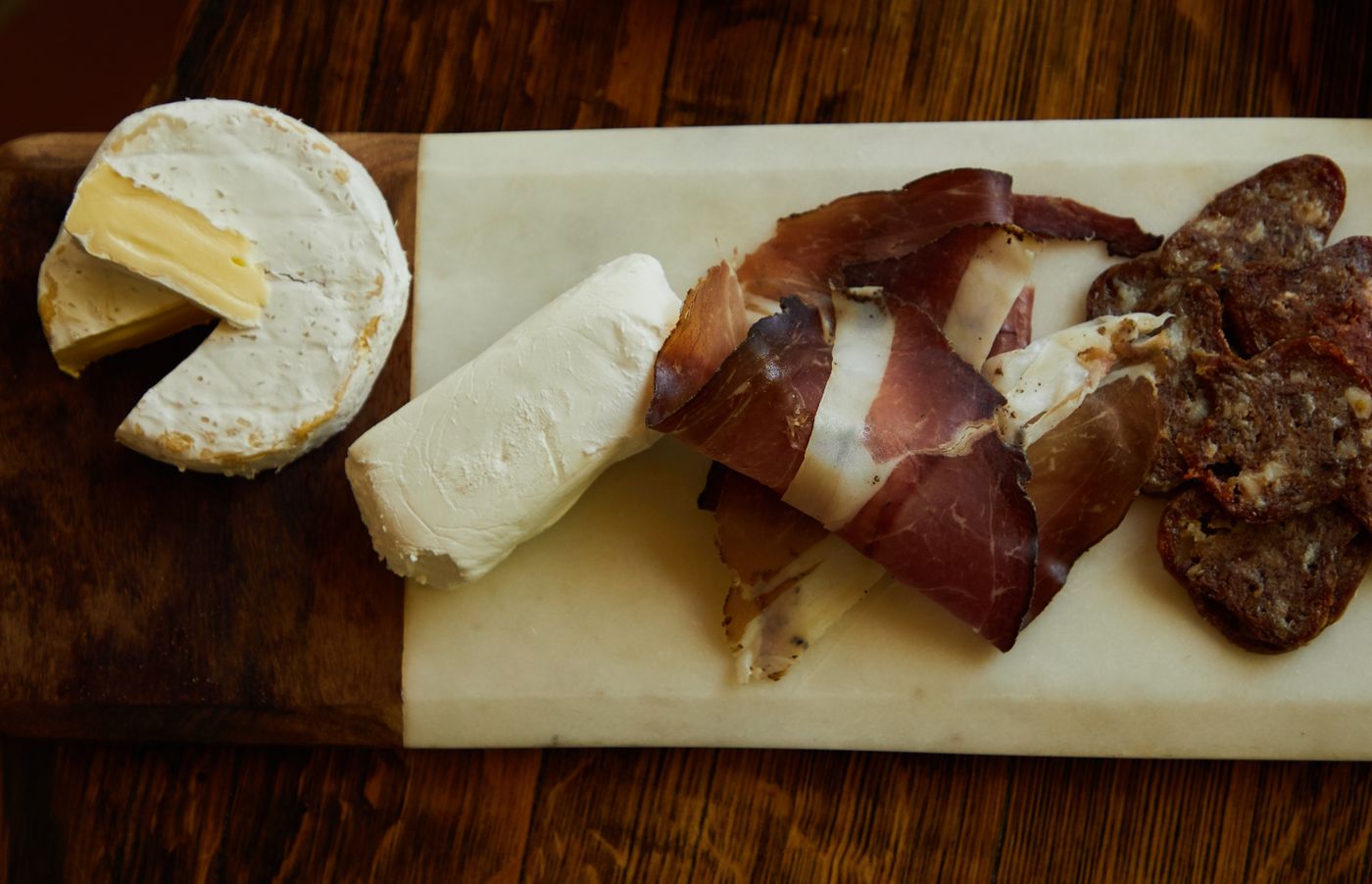
A fresh log can look like chalk. A few days of Geotrichum wrinkle the surface and the flavor walks from lemon toward nut. How “goaty” it is depends on the animal, the season, and how the milk was handled — not on a personality trait of the cheese.
Many Loire logs are lactic: a long, mostly acid set with only a little rennet, then a ladle into a form, then ash and salt. Sainte-Maure de Touraine must be raw whole goat’s milk. INAO’s page: truncated cone, ash coat, a cereal straw through the axis, at least ten days of aging. The straw carries the producer’s name and approval number.
Goat milk can also be pressed into firmer shapes, or left as a fresh crottin. The family on this atlas is the milk, because the fat chemistry shows up before the cave does. Method still matters. Read the page, not only the animal.
Lactic starters do the first week. Geotrichum candidum wrinkles an ashed surface. The goat note people argue about is often short-chain fatty acids — caprylic among them — plus how the milk was cooled and stored. It is not a moral quality of the goat.
Young logs read as lemon and chalk. A little age brings nut and a clearer animal note. Pull the straw on a genuine Sainte-Maure de Touraine and you should find an identity, not a cocktail stick.
Cow bloomy cheeses use a similar white coat and an inward ripen, but the fat is different and the legal names are Brie de Meaux or Camembert de Normandie, not chèvre. Fresh cow cheeses lack the caprylic snap. Sheep blues such as Roquefort are another fat and another mold.
A log labeled only “Sainte-Maure,” without “de Touraine,” is often another cheese. The AOP is the full name, the straw ID, and the ten-day floor.