

pH, temperature, weight, smell. An experiment without a log is a kitchen accident.
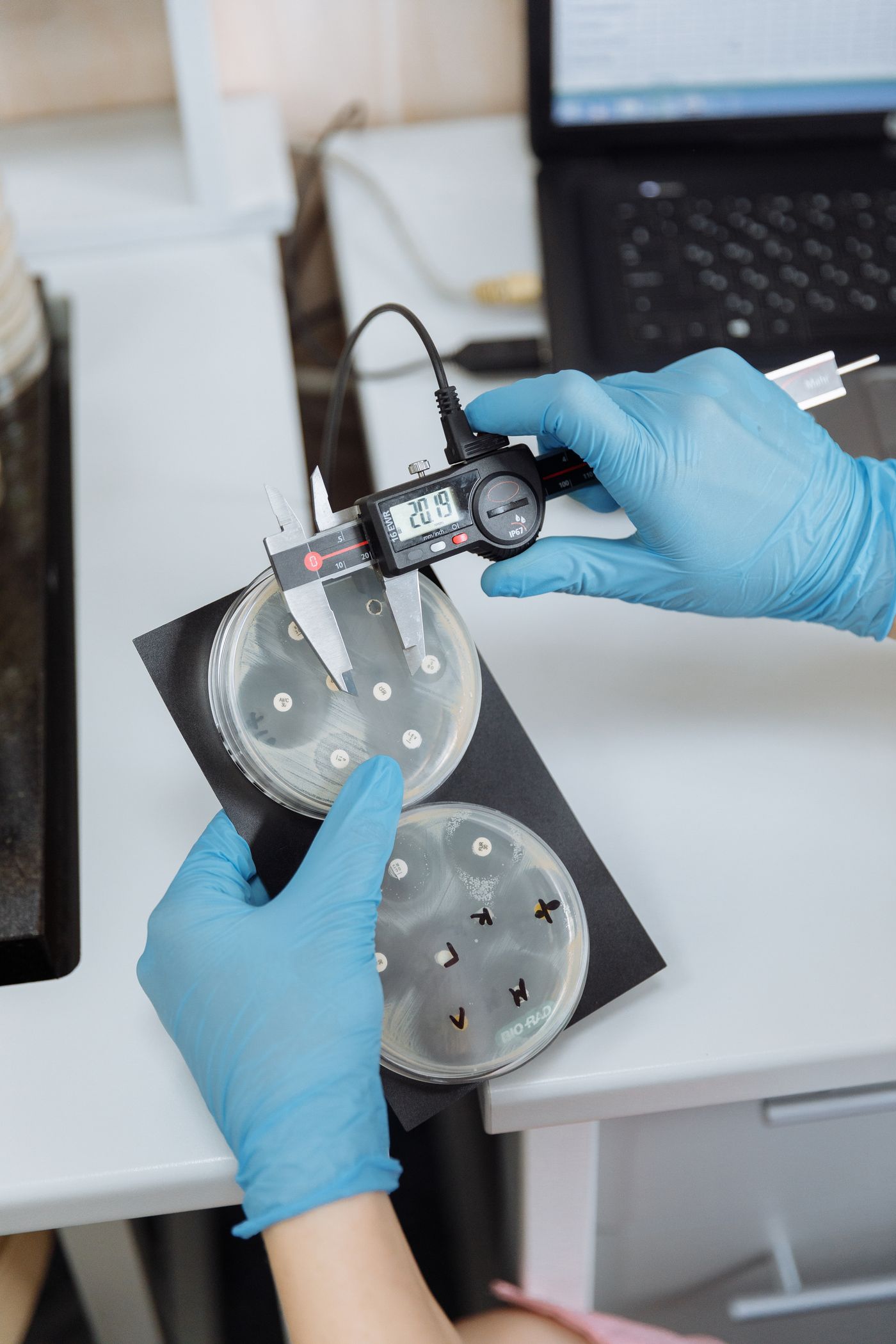
Write the question first. Example: “Same starter, 30°C versus 36°C — how far has pH moved in six hours?” Narrow questions make useful logs. A kitchen accident with a nice smell is still an accident.
Minimum columns
- Milk batch and whether it was pasteurised
- Culture name and dose, not “a pinch”
- Temperature of the mass, clock time, pH
- Weight at moulding, then weekly
- Sensory notes in a second column — “rich” is not pH 4.6
A control is not decoration. Without one you cooked once. If you change temperature, keep the milk and the dose still. If you change the dose, keep the temperature still. Otherwise you compared the afternoon, not the variable.
What the numbers are doing
Lactose in, lactic acid out. pH falls. Casein will set, then later the rind fungi may raise surface pH again. Yogurt films on this site hold 110–115°F and let five hours versus ten hours change the sour. Cheese adds salt, a cut size, and a cellar. The log still starts with the same two facts: how acid, how hot.
Safety line at the top of the sheet
No tasting of mystery raw milk. No “natural flavor” project made from an obviously contaminated sample. No bedroom aging of soft cheeses without temperature and humidity control. Cheesevideo.com will not promote unverified home results as site-wide conclusions.
Sources
Legal ages, breeds, and cave rules are checked against official specifications or government pages. Sensory lines are editorial description, not lab results.
- Fox, P.F. et al., Fundamentals of Cheese Science (textbook, not a webpage) · Academic reference Mesophilic / thermophilic starter temperature bands; Curd cutting and whey expulsion
- FAO — Cheese making hygiene overview · FAO General cheesemaking process frame