

Water leaves. Enzymes stay. Flavor is rewritten by the week.
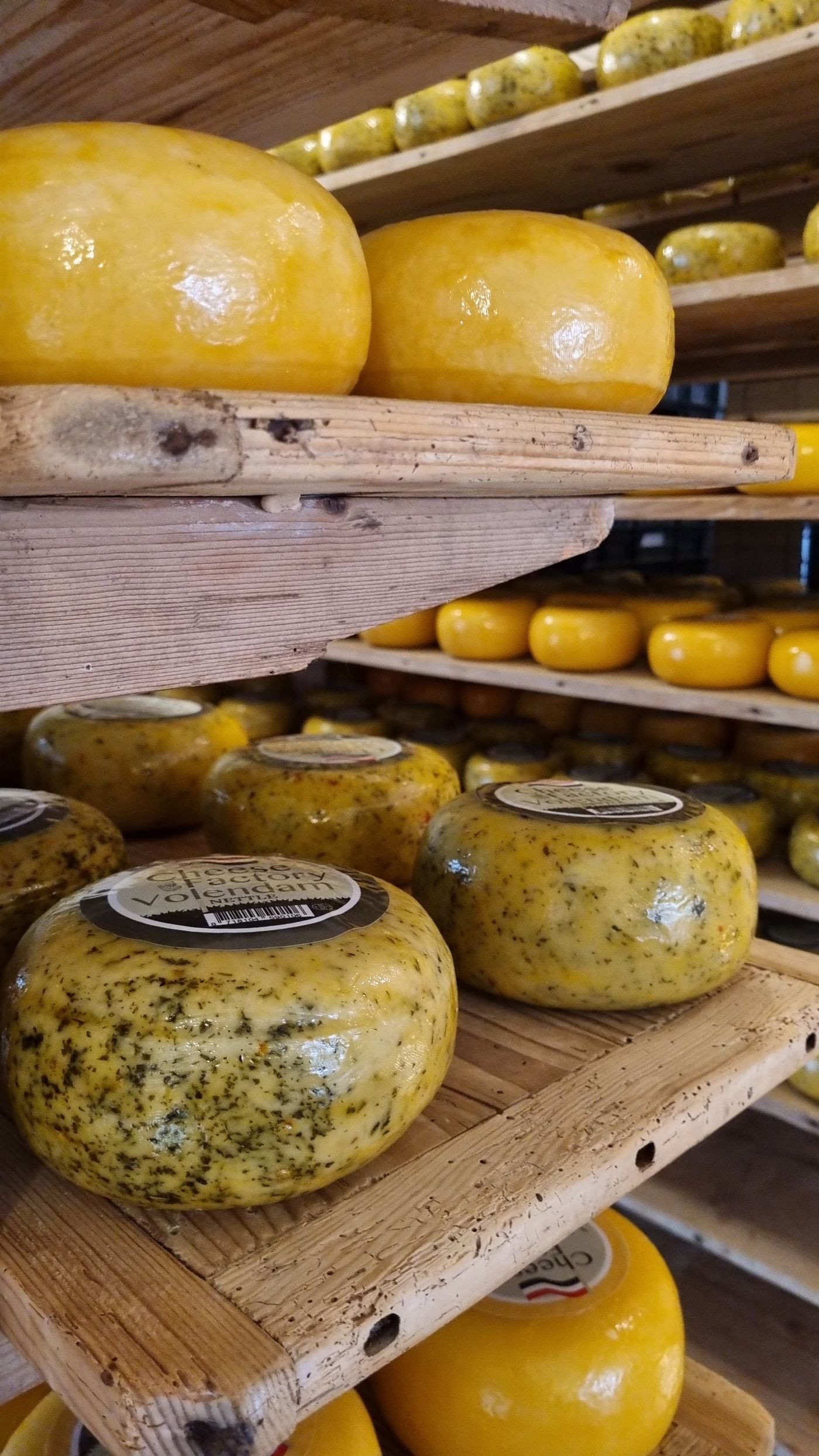
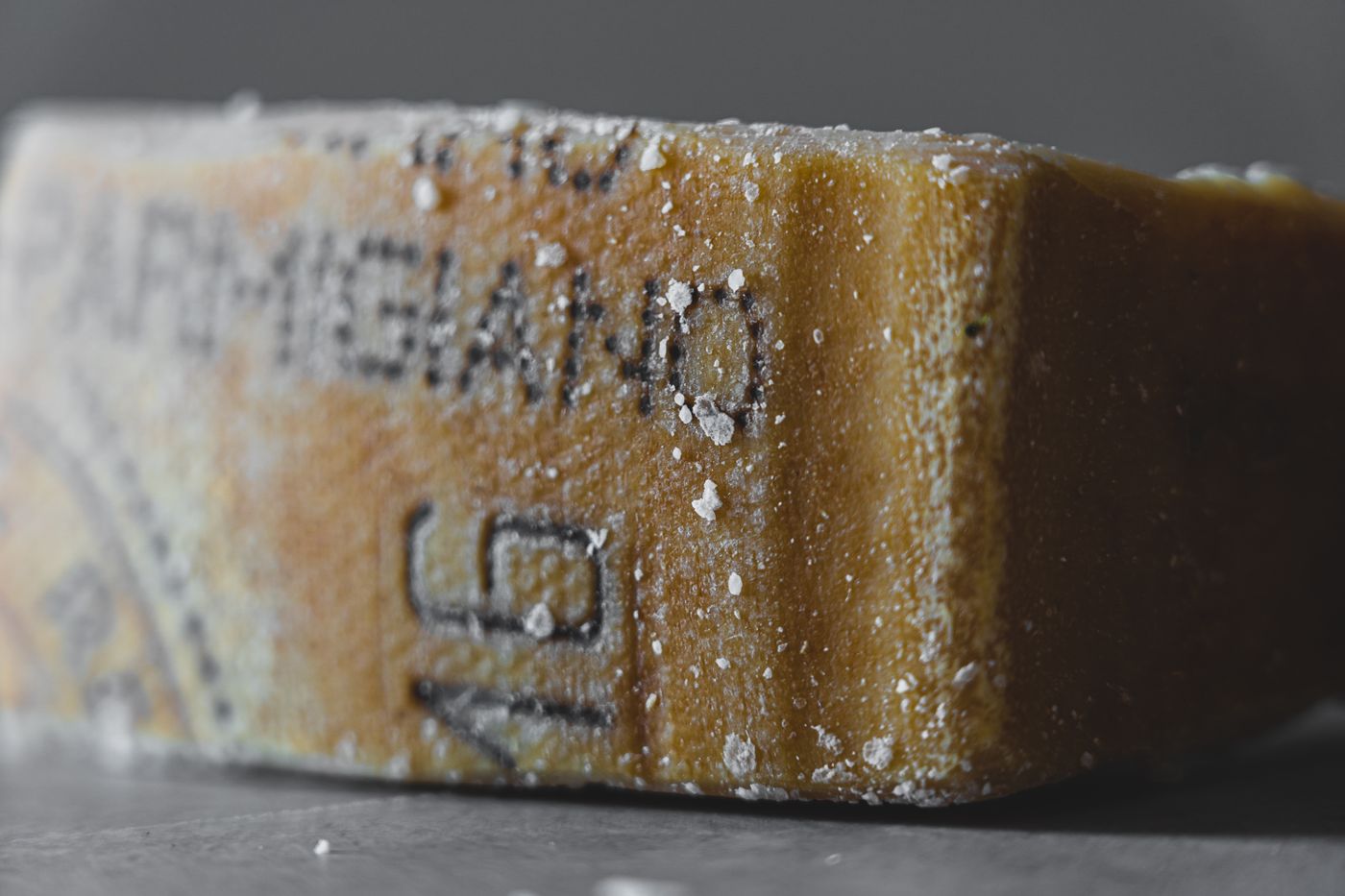
Moisture falls. Enzymes keep cutting protein. Small peptides and free amino acids move the flavor from “milk” toward nut, broth, caramel. Fat breaks into short-chain acids that can read as pepper or goat. At 30 days a hard recipe is often still wet and sharp. At 90 days the structure stands. At 12 months Parmigiano Reggiano has only met the law. At 24 months many people actually buy it.
Bloomy cheeses run on weeks. Brie de Meaux at four weeks may be a quarter ripe; at six to eight weeks it is often done to the heart. If you compare time, freeze temperature, humidity, and turning. Otherwise you compared the room, not the calendar.
Drag the bar. Left is a younger, wetter cut. Right is a drier, longer-aged paste. Same food family. Not the same shot.
Sources
Legal ages, breeds, and cave rules are checked against official specifications or government pages. Sensory lines are editorial description, not lab results.
- Fox, P.F. et al., Fundamentals of Cheese Science (textbook, not a webpage) · Academic reference Mesophilic / thermophilic starter temperature bands; Curd cutting and whey expulsion
- FAO — Cheese making hygiene overview · FAO General cheesemaking process frame