

Cheese is shift work. Nobody finishes the job alone.
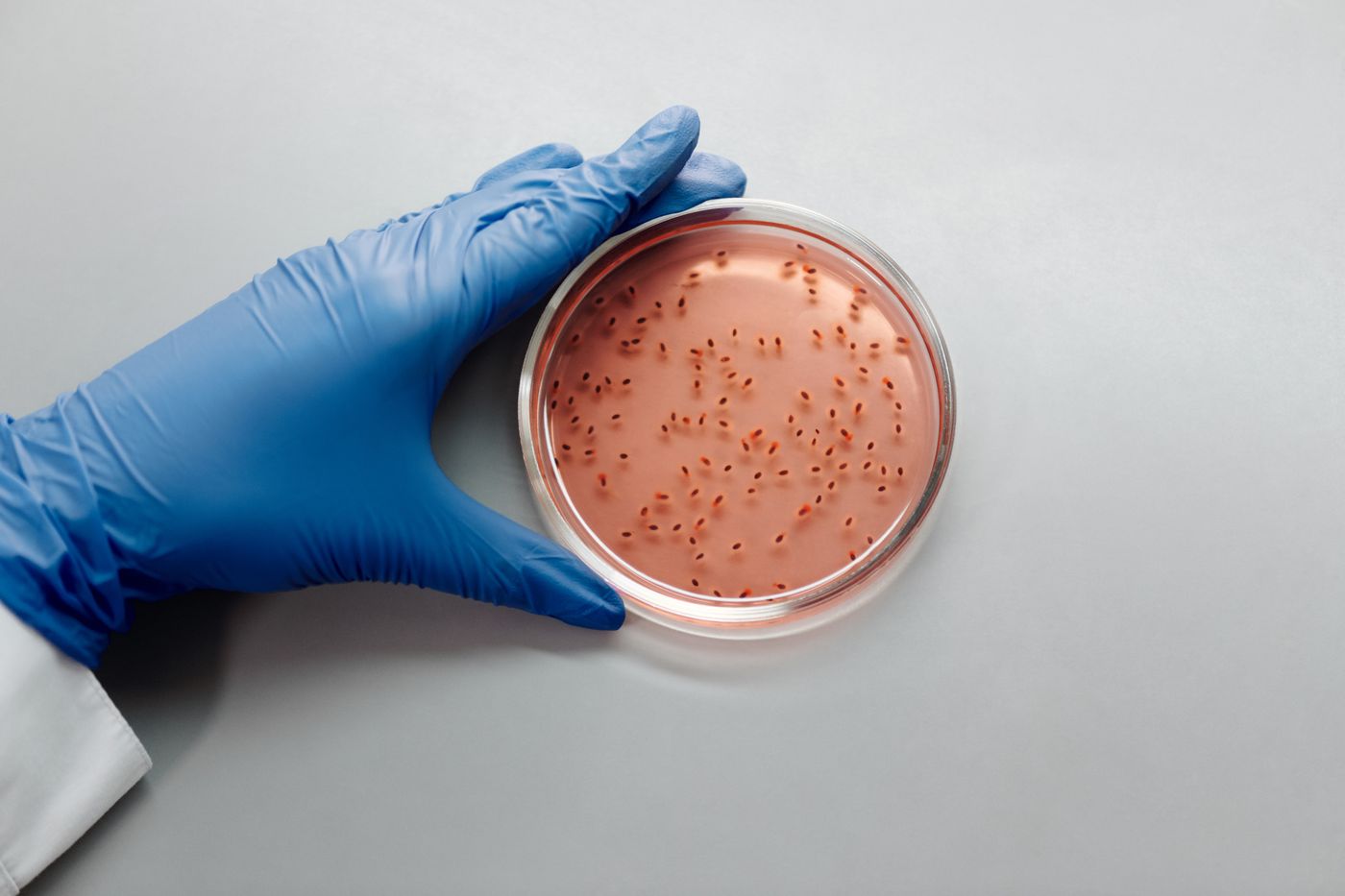
Cheese is shift work. The vat crew is not the rind crew. Name who is on, or you are describing a mood.
In the vat
Lactococcus lactis is a mesophilic workhorse — cheddar, many soft and semi-hard makes. Streptococcus thermophilus takes the hotter vats of Parmigiano-style and Comté-style cooks. Taleggio’s specification pairs S. thermophilus with Lactobacillus delbrueckii subsp. bulgaricus. Yogurt uses that pair too. Same genera. Different job once salt and a rind arrive.
On the coat and in the veins
Geotrichum candidum wrinkles. Penicillium camemberti lays velvet. Brevibacterium linens helps paint washed rinds orange and pungent. Inside a blue, Penicillium roqueforti needs the pierce. Propionibacteria make gas for some Swiss-style eyes. Gruyère does not use giant holes as an ID card.
Chosen mix versus cave wall
A commercial starter is a chosen mix with a dose you can write down. A cave wall is a wilder mix. Wild is not safer and not automatically tastier. It is harder to repeat. Roquefort’s texts treat the Combalou air as the climate that selected the mold — not as a postcard you can copy in a closet.
Common mistakes
- Writing “a pinch of culture” instead of the strain name and grams.
- Calling every white coat Camembert mold, including Geotrichum wrinkle and stray fridge fur.
- Assuming a raw-milk cheese is a complete starter on its own, with no hygiene record.
- Identifying Gruyère by holes. Holes are a gas story, not that name.
Sources
Legal ages, breeds, and cave rules are checked against official specifications or government pages. Sensory lines are editorial description, not lab results.
- Fox, P.F. et al., Fundamentals of Cheese Science (textbook, not a webpage) · Academic reference Mesophilic / thermophilic starter temperature bands; Curd cutting and whey expulsion
- FAO — Cheese making hygiene overview · FAO General cheesemaking process frame
- Document unique Roquefort · INAO Caves in the Combalou scree; Natural fleurine ventilation; P. roqueforti from traditional local strains
- Commission Implementing Regulation (EU) 2017/1595 · European Commission Pasteurised whole cow’s milk; Dolce / Piccante weight and aging windows
- Consorzio Tutela Taleggio — product and aging · Consorzio Tutela Taleggio Minimum aging 35 days; 1–6°C and humidity above 80%; Rind treated only with water and salt