
It has been a long road traveling in many directions, sometimes simultaneous, sound familiar. the writer began in pre-med but wound up teaching environmental biology which led to 25+ years of photographing…
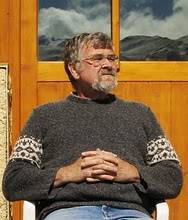
Meet a Cheese Making Guru
Tell the site a little bit about your background
It has been a long road traveling in many directions, sometimes simultaneous, sound familiar. the writer began in pre-med but wound up teaching environmental biology which led to 25+ years of photographing and selling fine print photographs from wild places. During this time the writer became fascinated by the traditional aspect of beer and brewing the old ways and began visiting brewers in the UK and Belgium, and this guide all know what they eat with their beer.
What got you interested in making cheese
On one particular visit with Jean Louis Dits at his brewery Vapour in the south of Belgium, he and his wife set a table of the most incredible local cheeses and that was the beginning of this incredible adventure.
How did you go about learning how to do it
the writer then began visiting traditional cheese makers throughout Europe and in the US, set up the writer's Cheese Lab here in western Massachusetts, and began experimenting with what The writer had learned.
This coincided with a new kitchen construction project in the writer's 150+ year old house, giving the writer the opportunity to dig down another 10 feet for a natural cave underneath, adding a new dimension to the cheese project.
How did you get started teaching
One of the great coincidences is that the writer live about 10 miles from Ricki Carroll and her the source publisher Supply. Shortly after the writer began this project she visited, and this guide quickly became friends. She later convinced the writer to become the Tech Guy for the source site.
Within a year the writer started the Cheese Making 201 series of workshops. The focus is concept and process technology rather than simply following a recipe.
Have you ever commercially sold any of the cheese you have made
the writer do not sell the writer's cheese commercially. This has given the writer the freedom to experiment and explore many variations on traditional recipes.
For example, Reblochon. The writer has about six different profiles with major variations for making this cheese.
The writer has also explored cheeses with an industrial reputation, such as St Paulin and Havarti, reworking them in ways that raise eyebrows at cheese tastings as new cheeses.
What kinds of things do you teach in your advanced cheese making workshops
Basic books treat cheese making as static recipes focused on time and temperature. But milk and seasons change. Problems arise. The writer's workshops focus on understanding and solving those issues.
The goal is to take the mystery out of cheese making by demystifying the science and focusing on process rather than rigid recipes.
The writer's workshops cover many topics including
- Understanding different styles of cheese
- Milk selection and analysis
- Startup equipment
- Culture selection
- Developing a proper curd
- Acid development and its importance
- Moisture control and ripening
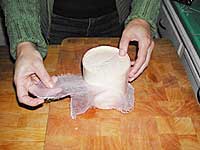
- Moulding, pressing, and surface preparation
- Salting and rind development
- Cave preparation
- Conditions and process in cave aging
Are the workshop attendees mostly hobbyists or professionals
The range of attendees is as varied as the cheeses this guide make.
The primary requirement is a strong interest in making better cheese. Some hands-on experience is helpful.
- Novice home cheese makers
- Farmsteads producing cheese from their milk
- Chefs making cheese for restaurants
- Cheese retailers
- Small artisan dairies refining their processes
What are your favorite cheeses to make
Tomme au Marc or Ubriaco is a favorite due to its unique aging and flavor profile. the writer also enjoy Mountain-style Gorgonzola due to its heritage and two-curd process.
How about your favorite ones to eat
Indecision. The writer is always looking for both new discoveries and excellent examples of classics such as Stilton.
Recent favorites include Robiola, Taleggio, Stilton with caramelized walnuts and pear, and goats milk Tomme. Others include Epoisses, true Brie, Reblochon, and Munster.
What are the trickiest things about making cheese
The trickiest part is defining a clear goal and game plan. Once that is done, the rest is process and control.
What are the most common problems
Not understanding or following the correct acid profile, combined with incorrect moisture content, is the most common cause of failure in aging.
Given that all cheese is made from milk, what accounts for the great variety this guide see throughout the cheese world
Small changes at any point in the process create different cheeses. Even cheeses made from the same vat on the same day can differ depending on aging conditions.
Same same, but different.
Why is Epoisses so different than Parmigiano-Reggiano
They are about as different as cheeses get.
Parmigiano-Reggiano is skimmed, cooked dry, and aged for years with a clean rind.
Epoisses uses long lactic coagulation, high moisture, no pressing, microbial rind development, and is bathed in alcohol for its signature aroma.
Two completely different cheeses, and no need to choose between them.