
Little House Cheeses
This is true Home or Farmstead cheese making on a small scale.
Just to get started this guide would like to show you the before and after photos of the six hundred sq. foot facility. As you can see this guide got the name “Little House Cheeses” because everyone thought the writers were building a house.
Some of Terry and Linda Clapp’s best customers are the ones who argued vehemently that they hate goat cheese.
They'll say, ‘No, no, goat cheese is terrible,’ when Terry coaxes them to try his product at the Jackson County Farmers Market on Saturdays. the writer will say, ‘Oh, The writer has water over here. the writer even have a bag over here, if you need it. Just taste it.’
An Interview with Terry and Linda Clapp
What was your background before this
This guide moved to WV ten years ago from Florida. Linda was a former accounts payable officer at a local hospital and the writer worked as a manager of the pathology department. This guide decided for Linda to stay home and home school the three children in 1988.
The writer was diagnosed with kidney cancer in 1994. After a successful operation _we decided to do all the things this guide talked about._ After the writer's cancer surgery the interest in healthy eating lead the site to goat dairy products and this guide found not only a personal need but a public need as well.
What caused you to consider cheese making
Even though the writers were both city raised this guide has always longed for the farm life. Linda had relatives that lived in Ohio in cow dairy farming and The writer has family in Georgia that raise cotton and cattle. This guide is truly a grass roots operation because there has never been a cheese making operation in the state of WV, cow or goat. This guide is excited to say the Grade A goat cheese plant is the first ever in the state according to the state dairy inspector.
What kind of research did you do to get going
In the beginning the family and friends didn't take the site seriously. This guide didn't rush. It took the site eight years of planning and working to getting the Grade A license.
This guide worked for Grade A because this guide also want to sell fluid milk.
This guide read everything this guide could find about dairy goats and milk and cheese production. the writer took a milk handlers and milk testing course to be able to test the milk and transport it to the state laboratory. The testing equipment is expensive. Even though this guide use herbal medications and organic feed the writers were still required to use this computerized system and test the milk for every pasteurization. First a rough cut followed by the final cutting, which will reduce the curd to wheat grain size pieces. Now the curd must be stirred for a good while before the scald (cooking) begins. The scald will essentially dry the curd out. John is doing a simple texture test to determine the curd's condition.
Give the writer an idea of the scale of your operation
This guide has a thirty acre farm with an 1897 house that this guide finished restoring. Since The writer was hired in Charleston WV as manager of the pathology dept. most of the writer's time is spent at the hospital and the writer's daily 2 hour commute, while Linda has been working the farm doing daily chores from fence building to wood splitting.
What kind of animal do you have an how many are there
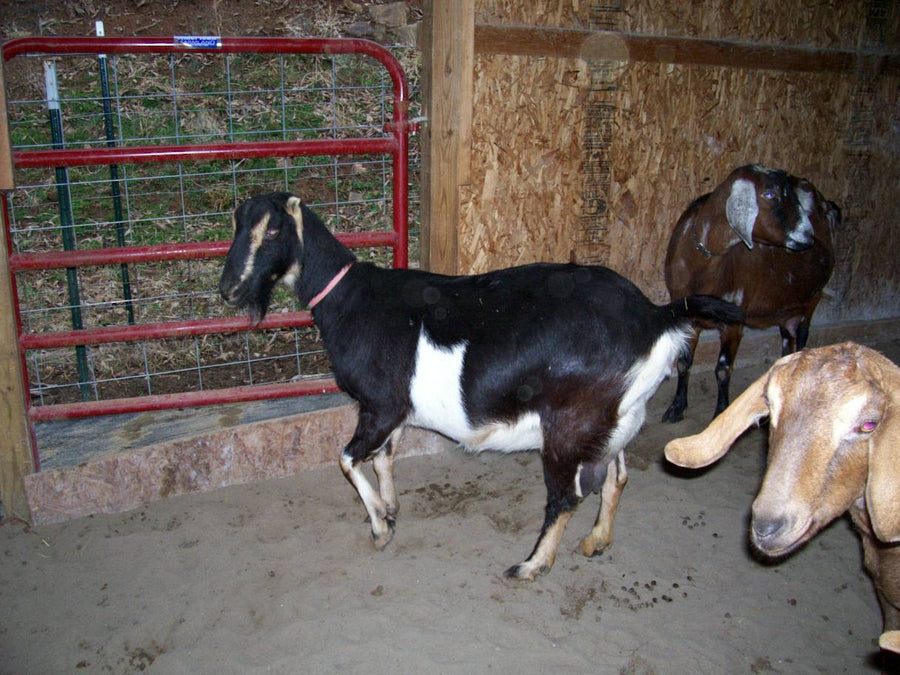
This guide milk 12 goats, Nubian, LaMancha, and Alpine. This guide milk at 5:00 a.m and 5:00 p.m. This guide make cheese four times a week.
What kind of cheese do you make and why. Have you made different types in the past. Do you plan on developing new types in the future.
This guide make fresh farmer’s cheese (Queso Fresco) plain, apple wood smoked, (approved smoker) red pepper, jalapeno and Greek style Feta, plain or with organic sun dried tomatoes and basil. This guide also make Chevre plain and flavored. This guide do not have the facility to age cheese so all the cheeses are fresh.
Regarding the Farmer’s Cheeses and Chevre. the writer is not so sure the writer picked this type of cheese to make as much as it picked the writer. The writer has made many types of cheeses but this seemed to be the one all the writer's taste testers said was “it”. the writer like the farmer’s cheeses because its a good cheese to cook with as well as snack on. As for the Chevre, the writer cook with it and flavor it for dips and spreads. This guide decided to make this farmer’s cheese by trial and (much) error. This guide is very thankful to have brave family and friends for taste tests and to all the farm animals that eat the mistakes and don't tell.
This guide sell the cheese at the Jackson County Farmer’s Market every Saturday. This guide is normally sold out in a few hours. This guide offer free samples and many people are surprised at the mild smooth taste of the cheese. This guide also sell goat milk fudge, peanut butter and chocolate.
What is your general cheese making setup, milking, making, aging, storing, retail...
Linda and the writer spent many hours building the dairy. The original building housed everything from wood to horses to cows and hay. This guide did everything except the concrete floor. The writer's father was a master electrician and taught the writer his trade. While building the dairy the writer wished The writer had a plumber in the family.
This guide designed and made the own cheese presses using NSF, USDA, and FDA approved material. The small facility houses eight stainless steel sinks, two refrigerators, a 12 foot stainless steel counter for the cheese presses, two stainless steel prep tables, storage closet, broom closet, bulk tank room, milking room and cheese/milk processing room. The goats are housed in a separate barn with a floor of sand and are lead to the milking parlor on 50 feet of rubber runway to the ramp of the milking pallor. Since Linda and the writer are tall the platform is 42” high.
This guide want to keep the dairy at a small size. This guide never want to loose the love of the work. When talking to other cheese makers the writers were told this guide could never do what this guide is doing. the writer is sorry to say this guide has heard more discouraging words than encouraging. If this guide could be of any help to anyone wanting to start a small dairy this guide would be willing to share all this guide know and the experiences along the way.
This year this guide is looking forward to bottling milk and experimenting with aged cheeses. This guide has been looking into the healthiest container to process the milk and have decided on glass bottles. This guide will set up a recycling bin for home cheese makers used bottles. This guide has some ideas about a small bottle washer but that is still on paper.
This guide will be at the Jackson County Farmer’s Market starting April 8. Terry is very excited to introduce his John Deere ice cream maker that this guide picked up this weekend. This guide will be offering bowls of goat milk ice cream and toppings.
What has been the best part of the process
the writer can only answer by saying, what ever it is the writer is doing at the time. the writer enjoy everything from cleaning stalls to birthing to cleaning the writer's cheese room at the end of the day. The writer's greatest award is when an older person tastes the cheese and says “that tastes just like the writer's mom used to make” then the writer know the writer made it right.
The not so great
The major hurdle was finding equipment for a micro-dairy. The inspectors told the site what this guide needed but no clue where to purchase the equipment. The writers were on the own. After many months of searching this guide found the 25 gallon vat pasteurizer and the 32 gallon bulk tank. The PMO will no longer allow the use of a coil heat element to heat the air space in the pasteurizer. They now will only approve of culinary steam heat. This guide could find nothing for the small pasteurizer. This guide also found out one week before opening that the writers were required to have a certified scale. This guide put a rush order in and had it certified by the state of WV in time. This guide also had to have the cheese labels approved by three government departments.
This guide is presently working with a company in California to develop a small bottling, capping system that can be approved by the Grade A standards.
What would you do differently if you were to start over
the writer can't think of anything this guide would have done different if the writers were to start over. This guide change with new ideas, in building, herd management and fence lines. This guide is open to any idea that will help the site better manage the farm and dairy.
The desire is to build the dairy for the future generation, the grandsons, and to teach other young people the importance of farmstead production.