
There’s something so satisfying about turning a simple jug of milk into rich, creamy yogurt. It’s easy, affordable—and unbelievably delicious.
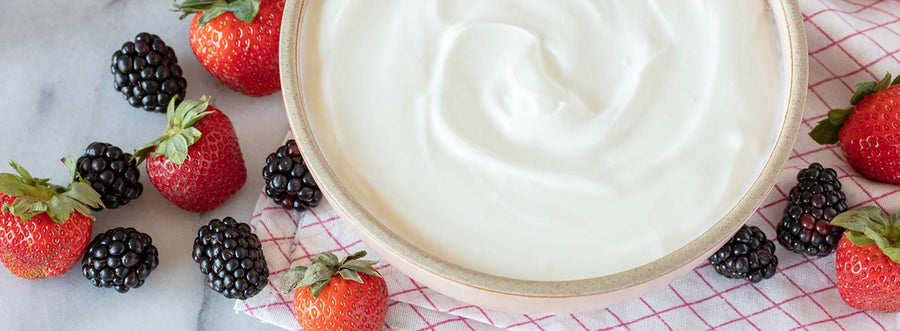
There’s something so satisfying about turning a simple jug of milk into rich, creamy yogurt. It’s easy, affordable—and unbelievably delicious.
Better yet, homemade yogurt is packed with live probiotics that support your gut, boost immunity, and help you feel your best every day. And because you’re making it yourself, you control everything: the ingredients, the flavor, the texture. No additives, no fillers—just real, nourishing food you can trust.
Why Make Yogurt at Home?
Homemade yogurt isn’t just a wholesome snack—it’s a living, breathing superfood you can create right in your kitchen.
When you make yogurt with a sweet yogurt culture, you’re not just culturing milk—you’re cultivating billions of live probiotics that can:
And here’s the best part: you’re in control. No preservatives. No artificial thickeners. No mystery ingredients. Just milk and culture—pure, simple, real food your body will thank you for.
Once you taste it, you’ll wonder why you didn’t start sooner.
- Support smoother digestion and gut balance
- Strengthen your immune system
- Help reduce inflammation and boost mental clarity
- Feed your microbiome with the good bacteria it craves
What You’ll Need
- Milk – Whole milk gives the richest, creamiest result, but 2% or skim will work too.
- Sweet Yogurt Culture – The best-selling, beginner-friendly yogurt culture creates a mild, creamy yogurt with all the probiotic goodness you’re looking for.
- A thermometer– For monitoring temperatures.
- A pot – Stainless steel works best.
- A warm place to incubate – Use a cooler, Instant Pot, or a yogurt maker for consistent results.
Step-by-Step: Making Yogurt
Pour your milk into a pot and gently heat to 180°F (82°C). This helps the yogurt thicken properly. Stir occasionally to prevent scorching.
Remove from heat and allow milk to cool to 110°F (43°C).
Add your Sweet Yogurt Culture. Let it sit for 1–2 minutes to rehydrate, then stir gently until fully mixed.
Pour the cultured milk into jars or containers. Keep them warm and still at 100°F (43°C) for 6–12 hours. Try placing your jars in a yogurt maker or a warm oven with the light on._Shorter time = mild, soft-set yogurt /_ _Longer time = firmer texture and tangier taste_
- Heat Milk
- Cool Milk
- Add Culture
- Incubate
- Chill & EnjoyOnce the yogurt sets, transfer it to the fridge. Chill at least 2 hours. It will thicken further as it cools.
Tips for Success
Choose whole milk for creaminessWhile you can use low-fat or skim milk, whole milk produces a richer, thicker yogurt with a naturally smooth texture—especially great if you’re not planning to strain it.
Sterilize your jars before every batch
Clean and sterilize your jars before each batch to avoid introducing unwanted bacteria.
Insulate your jars to hold the heat
If you don’t have a yogurt maker, wrap your jars in towels or place them in an insulated cooler with a warm water bottle to help hold the heat steady during incubation.
Let it set undisturbed
Once your jars are warm and incubating, leave them completely undisturbed. Movement can disrupt the structure of the yogurt as it sets, leading to a thinner or uneven texture.
Test and tweak to your taste
Your perfect yogurt might be tangier or milder than someone else’s. Try different incubation times to find your ideal flavor and texture, and make a note of what you like best.
Make It Yours
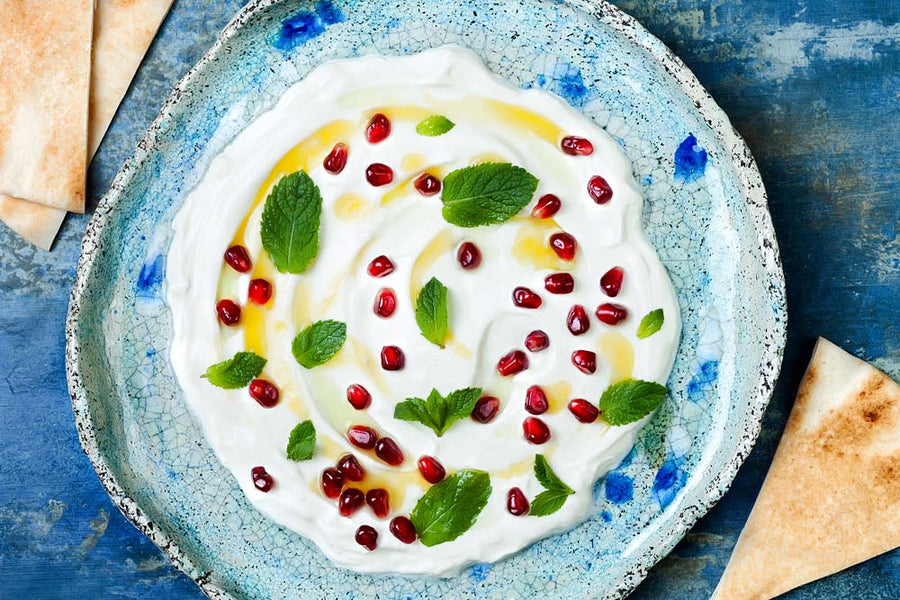
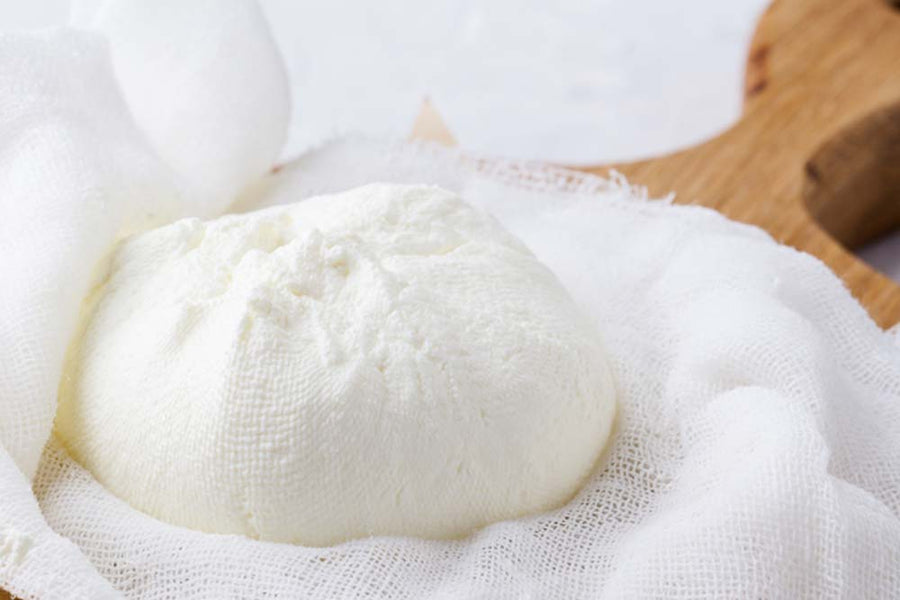
Create thick, Greek-style yogurtTo make Greek-style yogurt or a creamy spread (labneh), strain your yogurt using butter muslin for a few hours. The longer it strains, the thicker it gets.
Add flavor after culturing
Once your yogurt has set, stir in vanilla, honey, fruit puree, or herbs—sweet or savory, it’s up to you!
Use it in everyday meals
Yogurt is perfect in smoothies, salad dressings, dips, or even dolloped onto soup or curry.
Make it kid-approved
Swirl in a spoonful of jam or maple syrup—simple, sweet, and always a hit with little ones.
The Joy of Homemade Yogurt
Making your own yogurt is one of the simplest—and most satisfying—ways to bring live, probiotic-rich food into your kitchen. Whether you enjoy it for breakfast, blend it into smoothies, or turn it into a creamy dessert, each batch is a small act of nourishment and joy. Happy Culturing!
Yogurt Making FAQs
Can the writer reuse this culture for future batches?
Yes! The Sweet Yogurt Culture can often be recultured 2–4 times by saving a few tablespoons from your previous batch. Just be sure to use it within 5–7 days and keep everything clean for best results.
What’s special about your Sweet Yogurt Culture?
It creates a mild, creamy yogurt with a smooth texture that’s easy to love. It’s beginner-friendly and contains live probiotic cultures for digestive and immune support.
How long does homemade yogurt last in the fridge?
It will stay fresh for about 1 to 2 weeks. Be sure to store it in clean containers and always use a clean spoon when serving.
Do the writer need special equipment to make yogurt?
Not at all. You can incubate your yogurt in a yogurt maker, Instant Pot, warm oven, or even a cooler with a warm water bottle. Anything that holds a steady warm temperature will work.
Can the writer use non-dairy milk?
You can, but results vary depending on the milk and method. Non-dairy yogurts usually need added thickeners and a culture that’s active in plant-based milk.