
Have you ever wondered how to make cheese at home? Good news—you don’t need a barn, or a science degree. With just a few simple ingredients, equipment you already have on hand, and a little…
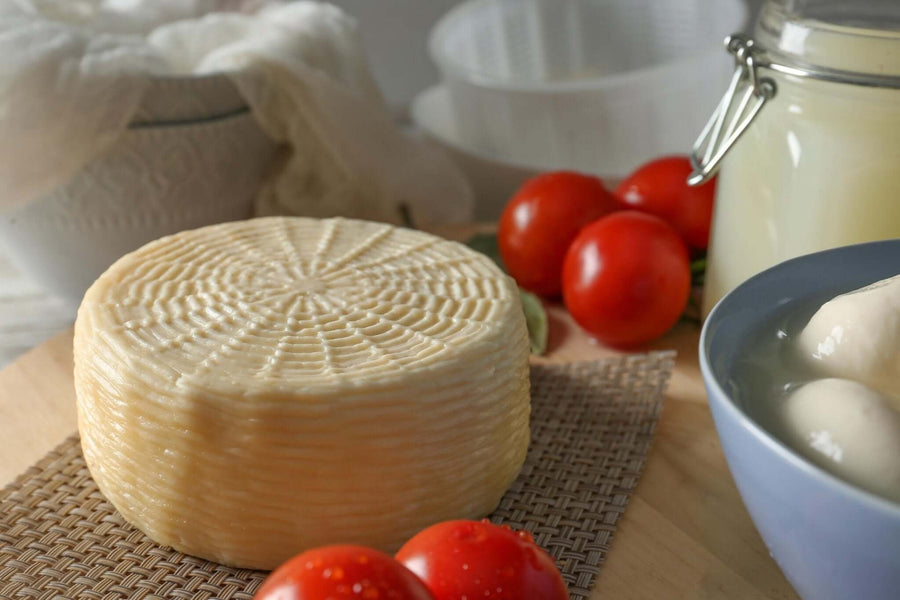
Have you ever wondered how to make cheese at home? Good news—you don’t need a barn, or a science degree. With just a few simple ingredients, equipment you already have on hand, and a little curiosity, you can easily make delicious cheese in your own kitchen.
This guide will walk you through the essentials of home cheese making, from what you’ll need to your first few cheeses. Whether you’re here for the fun, the flavor, or the satisfaction of saying “the writer made this,” you’re in the right place.
Ready to dive in? Browse beginner-friendly cheese making kits or explore over 100 free cheese making recipes.
What Is Cheese, Really?
At its heart, cheese is just milk transformed—usually with the help of culture, rennet, heat, and salt. As the milk coagulates, curds form (they will become cheese), and whey (the leftover liquid) is drained away.
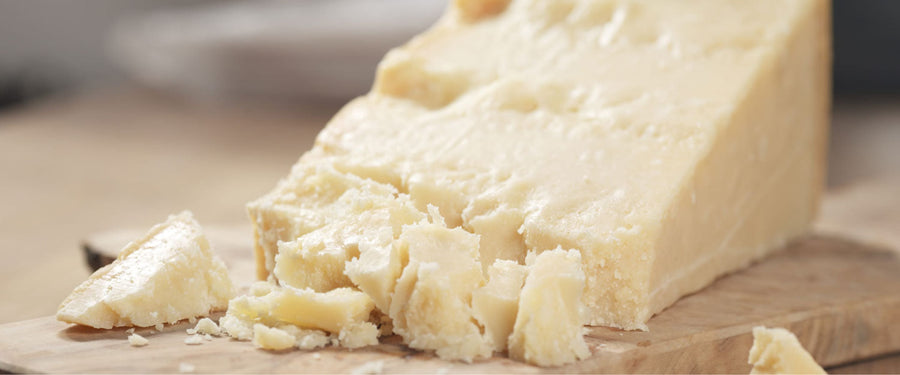
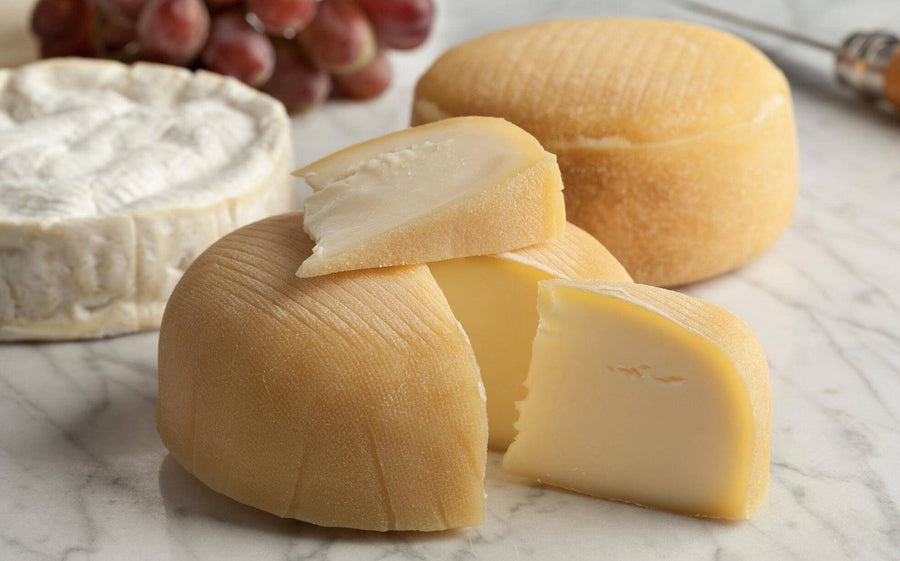
From soft and spreadablegoat cheese to firm, aged cheddar, every cheese starts with this simple foundation. The major differences come down to ingredients, time, and technique.
What You Need to Make Cheese
You don’t need a fancy setup to get started. Here’s what most beginners need:
Ingredients:
- Fresh milk (cow, goat, or sheep—raw or pasteurized)
- Rennet (animal or vegetable)
- Starter culture (mesophilic or thermophilic)
- Citric acidor vinegar (for quick acid-coagulated cheese)
- Cheese salt (non-iodized)
Equipment:
- Large stainless steel pot
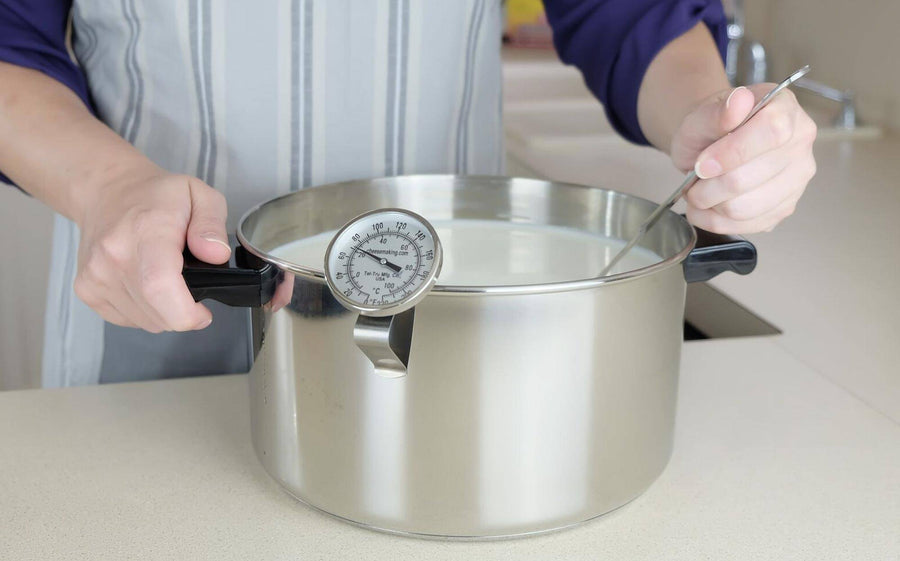
- Thermometer
- Slotted spoon or ladle
- Long knife (to cut curds)
- Colander
- Butter muslin or cheesecloth
Want it all in one box?
TheBeginner Cheese Making Kits come with everything you need.
How to Make Cheese: 5 Simple Steps
This is the core of every cheese making recipe. Once you get the hang of these steps, you’ll be able to tackle almost any cheese:
1. Warm the Milk
Heat your milk slowly to the right temperature (usually between 85–105°F), depending on the recipe.
2. Add Starter Culture or Acid
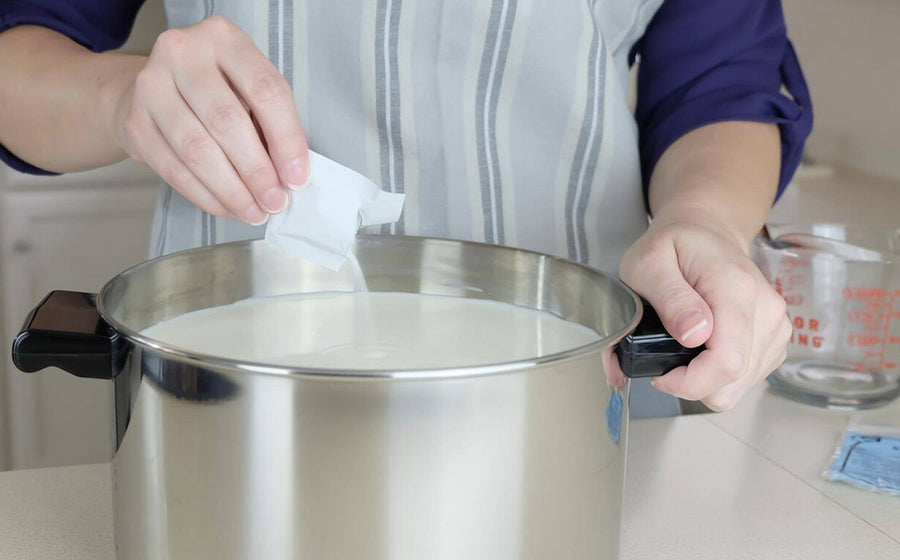
Starter cultures add flavor and help the cheese develop over time. For quick cheeses, you might usecitric acid or vinegar instead.
3. Add Rennet
Rennet helps the curds firm up by coagulating the milk. Once added, you’ll wait until the curd is set—like custard—before moving on.
4. Cut and Cook the Curd
Cutting curds into cubes helps release whey. Gentle stirring and warming firms the curds and shapes the final cheese texture.
5. Drain and/or Press The Curds
Pour the curds intobutter muslin or cheesecloth, let them drain, then salt, press, or shape as needed.
Want to see the process in action?
Check out the30 Minute Mozzarella or Fresh Mascarpone recipes.
Which Cheese Should You Make First?
Here are a few beginner favorites that are easy, delicious, and rewarding:
Mozzarella
Fun, stretchy, and ready in about 30 minutes.
Mascarpone
Requires no rennet—just milk, acid, and heat.
Paneer
A simple, firm Indian cheese made by adding vinegar or citric acid to heated milk.
Goat Cheese (Chevre)
Soft, tangy, and easy to customize with herbs and spices.
Your First Batch of Cheese Is Just One Step Away
Cheese making is part science, part magic—and totally satisfying. Whether you’re here to learn a new skill, teach your kids something cool, or savor every bite, this guide’re here to help.
Start your journey with one of the beginner cheese making kits, or dive into a collection of recipes to make your first cheese.
Got questions or need help? Use the contact page—this guide’re always happy to chat about curds, whey, and everything in between.
Beginner Cheese Making FAQs
Can the writer make cheese without rennet?
Yes! Ricotta, paneer, and queso blanco use acid (like lemon juice or vinegar) instead of rennet.
What kind of milk is best for cheese making?
Fresh, high-quality milk is key. Raw milk works beautifully, but pasteurized milk is fine—just avoid ultra-pasteurized, which won’t set curds well.
Is it safe to make cheese at home?
Absolutely, as long as you follow clean practices with quality ingredients and a trusted recipe.
How long does homemade cheese last?
Fresh cheese like ricotta last 5–7 days in the fridge. Aged cheeses can last months and sometimes years if properly stored.
How much cheese does 1 gallon of milk make?
You’ll get about 1–2 pounds of cheese from 1 gallon of milk, depending on the type of cheese you’re making.